
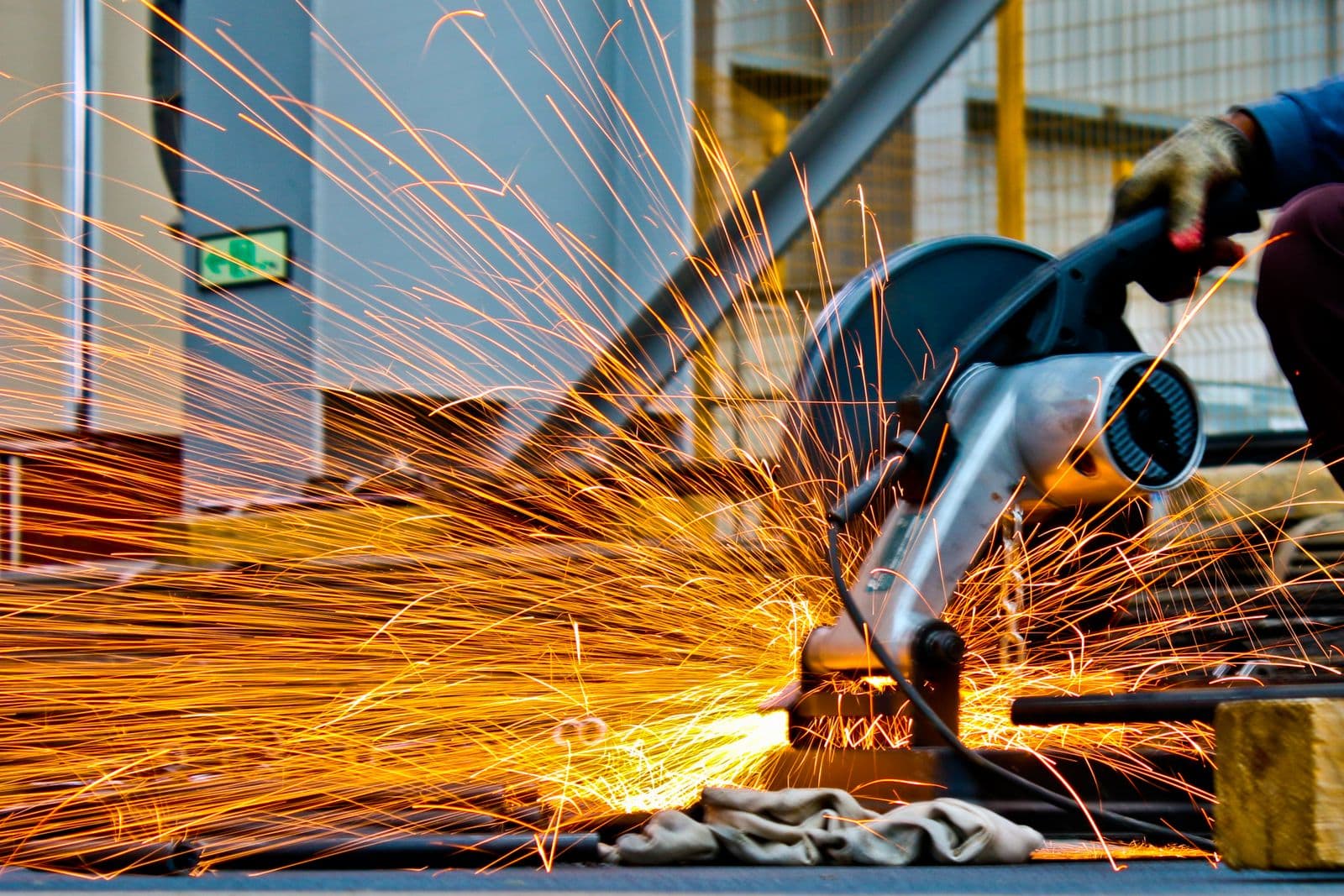
External Cylindrical Grinding
Grinding the outside diameter of a rotating part held between centres or in a chuck. It is the workhorse operation for shafts, spindles and rolls, where size, roundness and finish all have to hold together. SES holds the range as an authorised Tyrolit distributor, covering wheel diameters Roughly 300 mm to 900 mm on production machines; mounting Machine-specific bore, run on balanced flanges; abrasives Aluminium oxide, ceramic grain, CBN; speeds 35 m/s and 45 m/s conventional, high-speed executions well above. Executions include straight vitrified wheels for traverse grinding, plunge grinding wheels, angular-approach wheels, vitrified CBN external wheels, among others. It is specified most often into gearbox and motor shafts in the maintenance workshop and work roll and back-up roll necks in a roll shop. Every part is genuine Tyrolit through official channels, with designation, specification and options confirmed against your duty before it ships — supplied from Kolkata and our branch network, with breakdown cover that does not sit in an inbox.
Send an enquiry
Check Price & Availability.
Give us the size or the failed part — we reply on WhatsApp.
Trusted across Metals & Energy
Supplying India’s Industrial Names.
From integrated steel plants to power utilities and EPC majors — the works that cannot afford a counterfeit part specify through SES.





















Work holding
Between centres, chuck or faceplate
Modes
Traverse, plunge, angular head
Typical tolerance
A few microns on diameter
Bonds
Vitrified conventional, vitrified CBN
Where it runs.
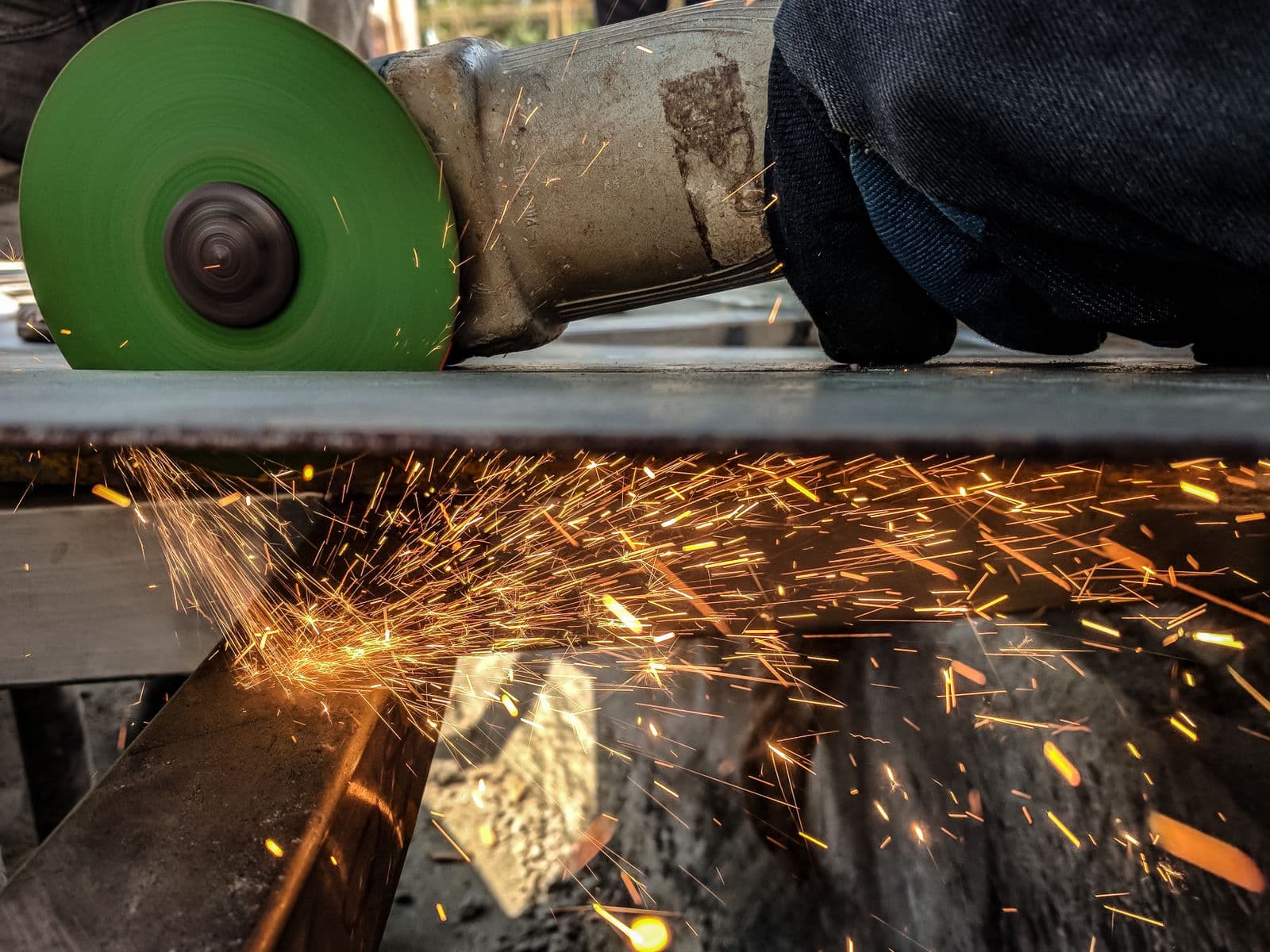
You will find External Cylindrical Grinding in the parts of a plant where this particular duty actually occurs. In practice that means gearbox and motor shafts in the maintenance workshop, work roll and back-up roll necks in a roll shop, pump shafts and sleeve seats before seal fitting, and equally hydraulic rams and piston rods, spindle journals during machine tool rebuilds, camshaft and crankshaft journals on engine lines. What links them is the duty rather than the machine name — work holding: Between centres, chuck or faceplate. If your installation is not on that list it matters less than you would think: the operating condition decides the specification. Send us the load, the speed, the running temperature and the environment it runs in, and we will match it to the right execution in the Tyrolit range and confirm what is in stock.
Specify it against the duty.
Specification here follows the operating condition, not the catalogue. Long slender shaft that chatters or grinds tapered — Steadies plus a finer, softer wheel and lighter infeed. Extra wheel hardness only raises grinding force and makes the deflection worse. Shoulder and diameter ground in one setting — An angular-approach wheel and head. Grinding the face with the wheel corner rounds that corner and the shoulder loses its square. Hardened journals in repeating batches — Vitrified CBN. Dress intervals stretch and thermal damage risk drops, which matters most on parts that are already expensive. Where two of those apply at once, specify for the harsher of the two — under-specifying is what puts the part back on the bench a month later. Send us the duty and we will confirm the execution.
Ordering this from SES.
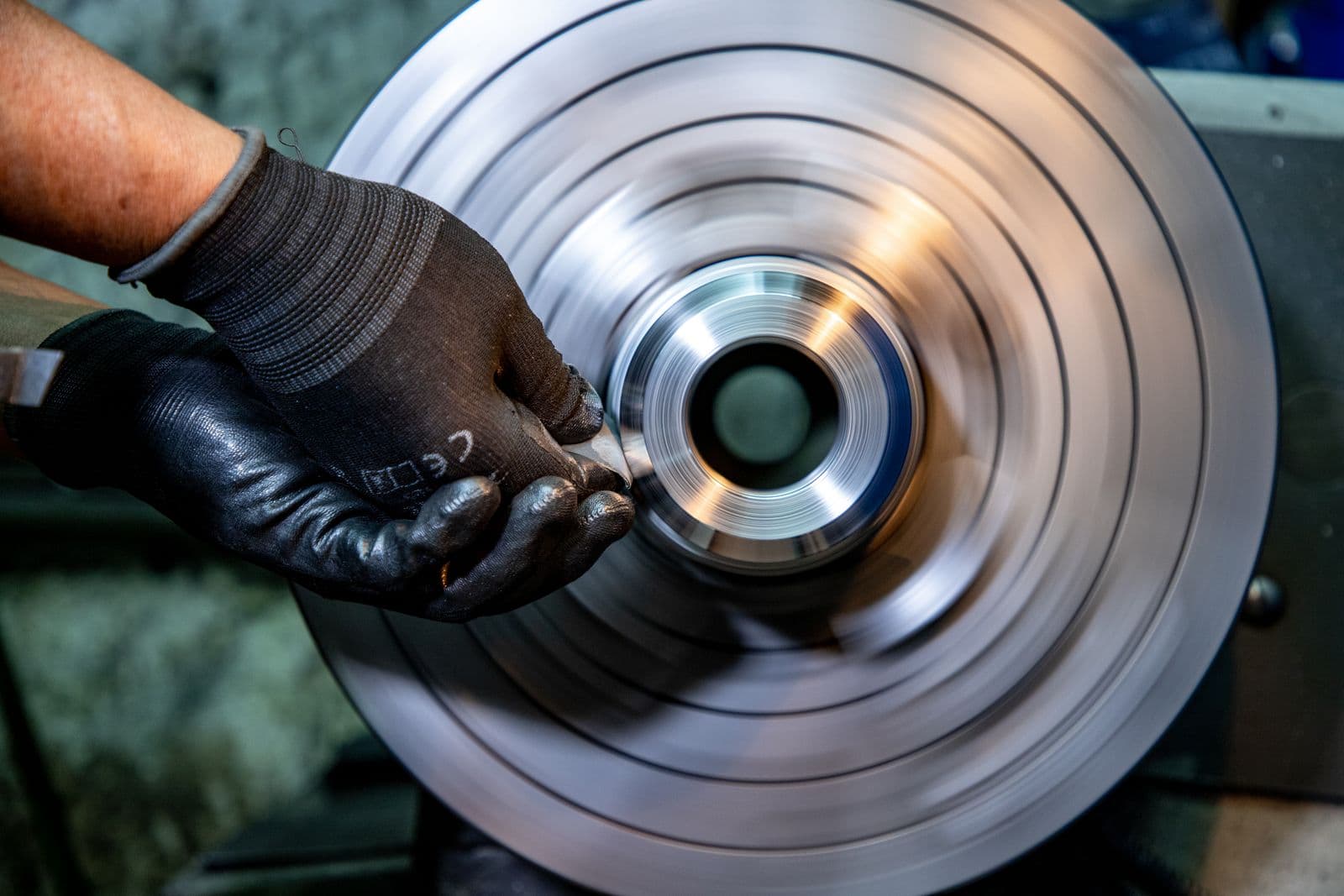
Balance the wheel on its own flanges after every dress on fine work, and mark the flange so it goes back the same way round. An out-of-balance wheel writes a regular waviness into the surface that no amount of spark-out will take out.