
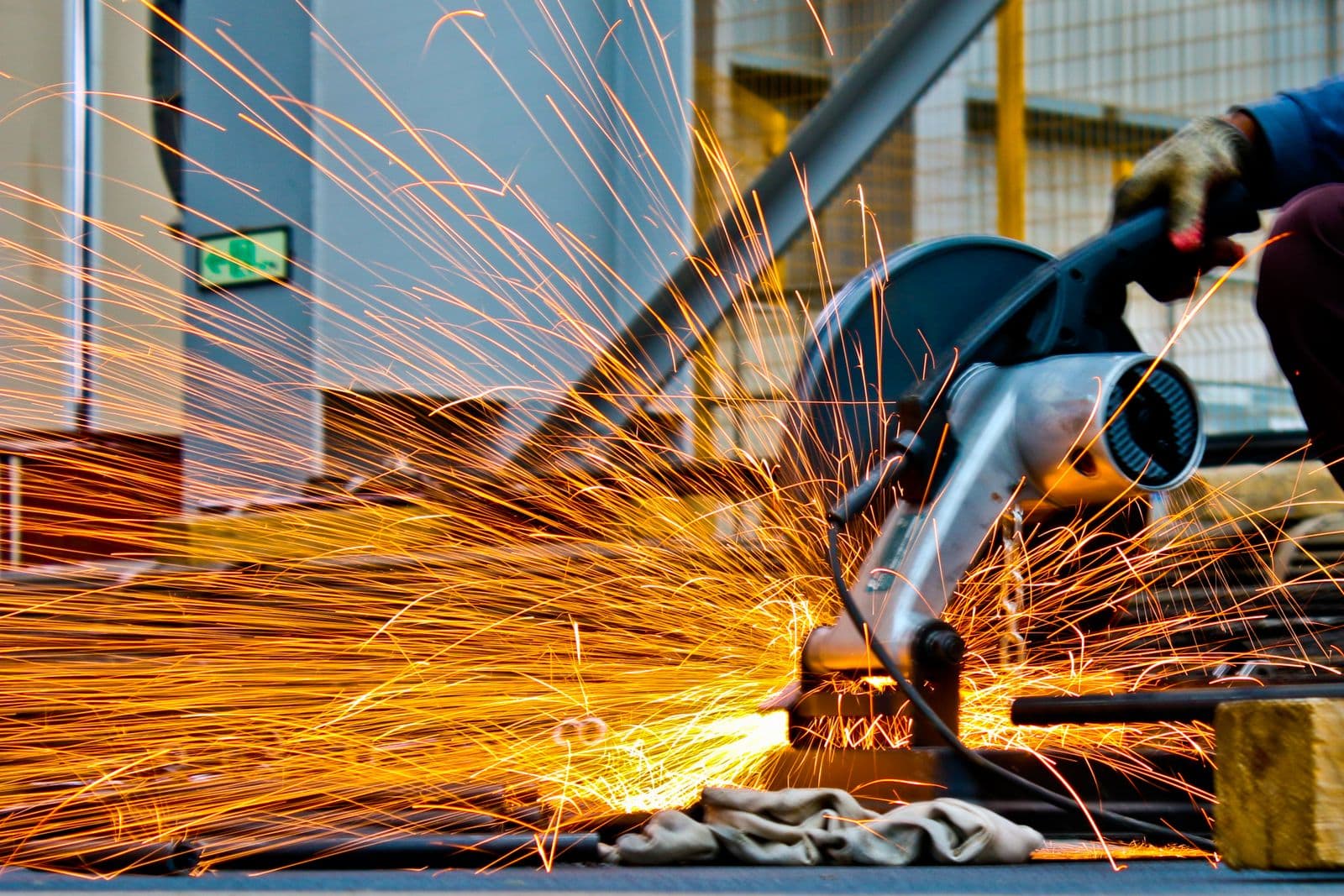
Floor Stand Grinding
Heavy off-hand grinding on floor stands, swing frames and pendulum machines. Either the wheel moves or the casting does, and the object throughout is fast removal of surplus metal. SES holds the range as an authorised Tyrolit distributor, covering wheel diameters Commonly 300 mm to 600 mm and above; thicknesses Heavy sections, typically 40 mm upward; abrasives Aluminium oxide, zirconia alumina, silicon carbide; bond Resinoid, fibre reinforced. Executions include floor stand wheels, aluminium oxide, floor stand wheels, zirconia alumina, swing frame wheels, pendulum grinding wheels, among others. It is specified most often into fettling risers and feeders off steel and iron castings and removing parting lines and flash from moulded castings. Every part is genuine Tyrolit through official channels, with designation, specification and options confirmed against your duty before it ships — supplied from Kolkata and our branch network, with breakdown cover that does not sit in an inbox.
Send an enquiry
Check Price & Availability.
Give us the size or the failed part — we reply on WhatsApp.
Trusted across Metals & Energy
Supplying India’s Industrial Names.
From integrated steel plants to power utilities and EPC majors — the works that cannot afford a counterfeit part specify through SES.





















Machines
Floor stand, swing frame, pendulum
Duty
Heavy off-hand stock removal
Bond
Resinoid, fibre reinforced
Where
Foundry fettling and dressing shops
Where it runs.
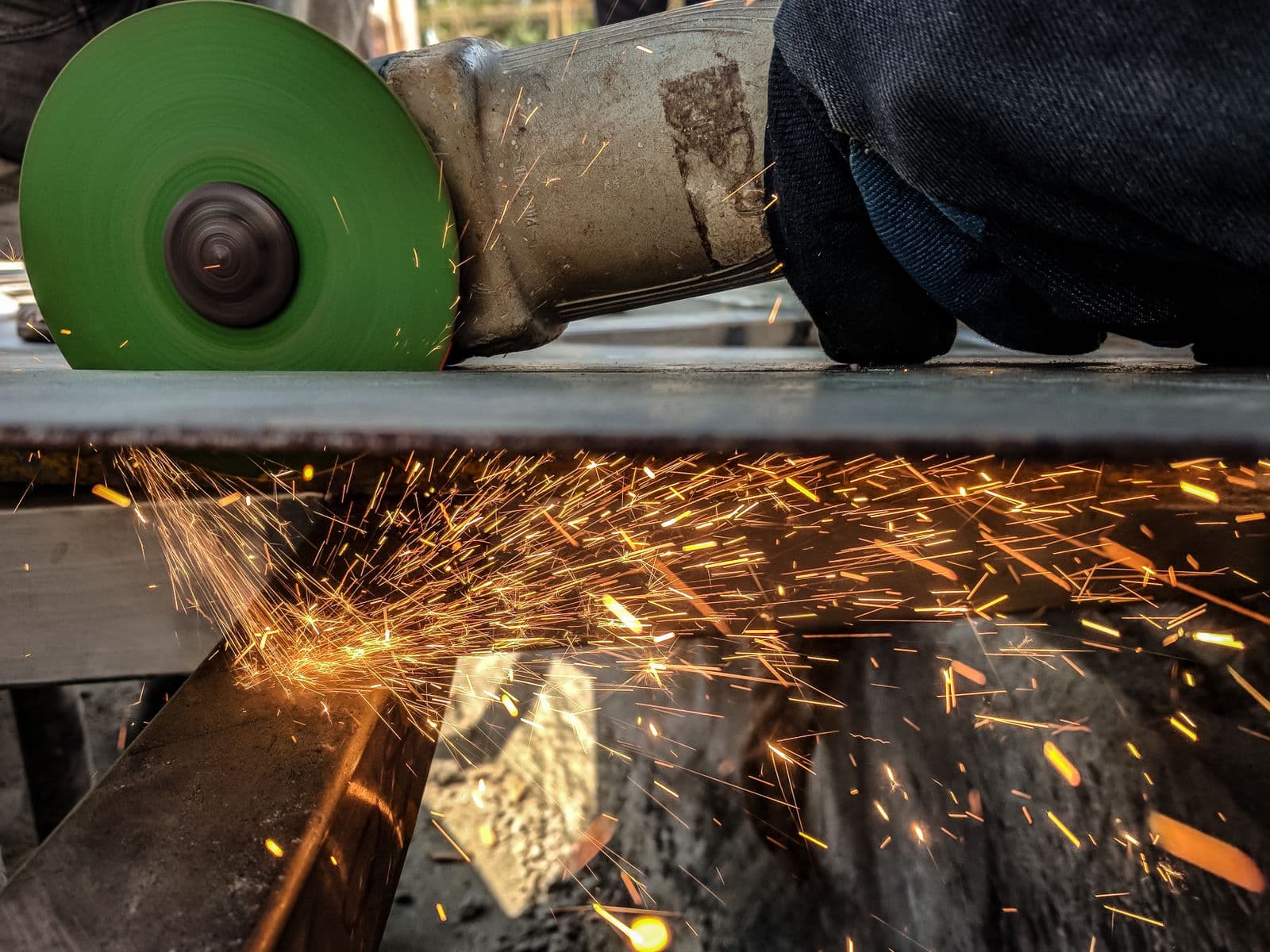
You will find Floor Stand Grinding in the parts of a plant where this particular duty actually occurs. In practice that means fettling risers and feeders off steel and iron castings, removing parting lines and flash from moulded castings, dressing weld repairs on heavy fabrications, and equally conditioning ingot and billet surfaces, cleaning up cropped ends on rolled sections, rough grinding of hardfaced wear plates. What links them is the duty rather than the machine name — machines: Floor stand, swing frame, pendulum. If your installation is not on that list it matters less than you would think: the operating condition decides the specification. Send us the load, the speed, the running temperature and the environment it runs in, and we will match it to the right execution in the Tyrolit range and confirm what is in stock.
Specify it against the duty.
Specification here follows the operating condition, not the catalogue. Manganese steel and other work-hardening alloys — Zirconia alumina in a hard resinoid bond, used with steady heavy pressure. Light pressure work-hardens the surface and the wheel then rides on glass. Grey and ductile iron castings — Silicon carbide or a mixed grain. Aluminium oxide is wasteful on iron because the swarf is short and does not clear the wheel. Wheel wearing conically and the operator fighting the stand — Stand alignment and work-rest gap, checked before ordering a harder wheel. A gap above roughly 3 mm drags the part into the wheel. Where two of those apply at once, specify for the harsher of the two — under-specifying is what puts the part back on the bench a month later. Send us the duty and we will confirm the execution.
Ordering this from SES.
Inspect every wheel for cracks and check the expiry date on resinoid types before mounting, and store the stock flat in a dry rack. Wheels that have stood on a damp foundry floor take up moisture unevenly and run out of balance, with no warning visible from outside.