
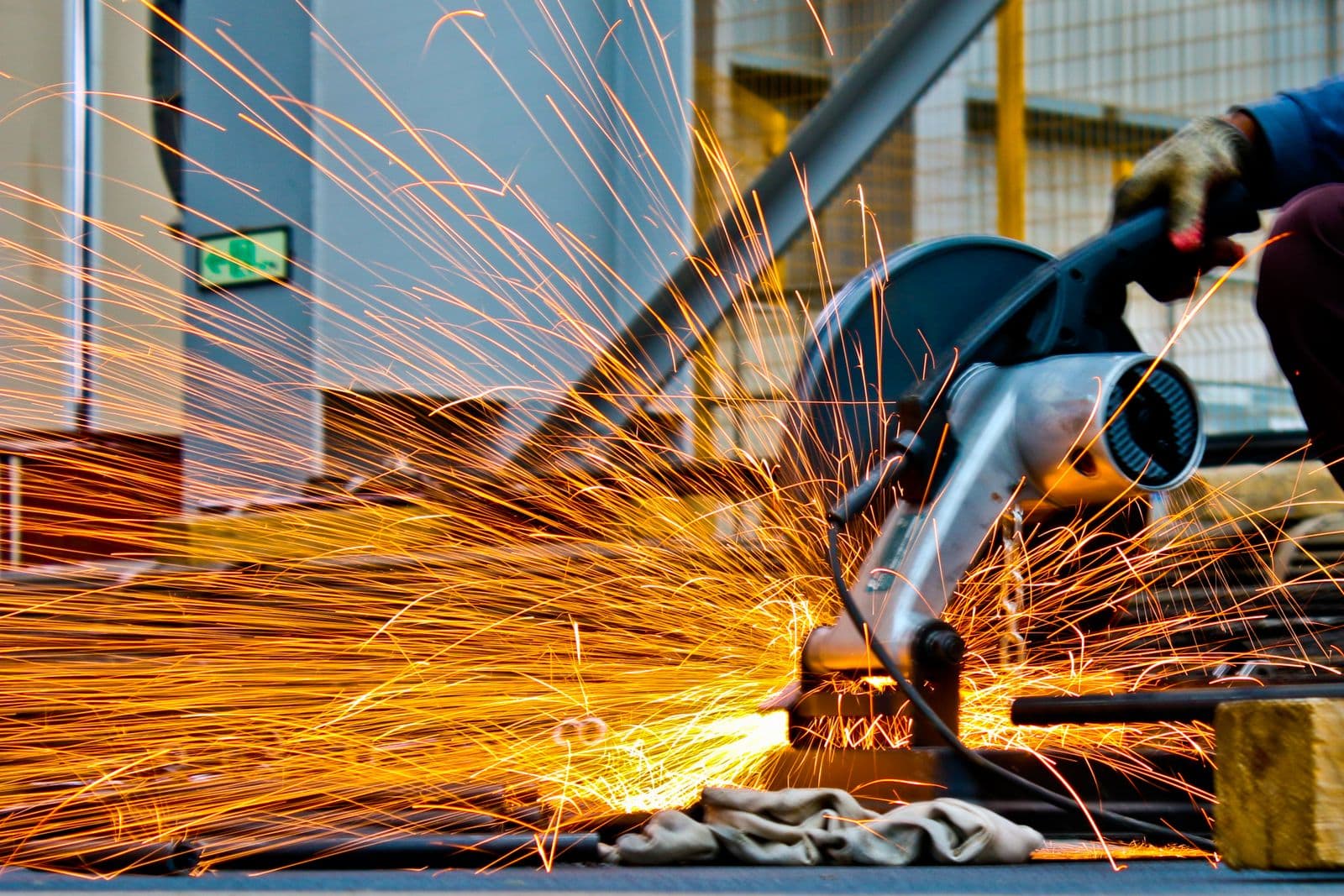
Freehand Saws
Blades for hand-held cut-off saws driven by petrol, hydraulics or electricity, where the operator carries the machine to the work. They see more misalignment and more dry running than any other diamond blade, so segment and core have to tolerate abuse. SES holds the range as an authorised Tyrolit distributor, covering diameters 300, 350 and 400 mm; bores 20 mm and 25.4 mm; segment height Typically 10 mm; rim types Segmented, turbo and continuous. Executions include dry-rated blades for hand-held saws, wet-cut blades for concrete pipe, blades for ductile iron and steel, turbo rim blades for masonry, among others. It is specified most often into cutting pipe and duct openings during erection work and emergency access cuts in walls and slabs by plant rescue teams. Every part is genuine Tyrolit through official channels, with designation, specification and options confirmed against your duty before it ships — supplied from Kolkata and our branch network, with breakdown cover that does not sit in an inbox.
Send an enquiry
Check Price & Availability.
Give us the size or the failed part — we reply on WhatsApp.
Trusted across Metals & Energy
Supplying India’s Industrial Names.
From integrated steel plants to power utilities and EPC majors — the works that cannot afford a counterfeit part specify through SES.




















Diameters
300 mm to 400 mm
Bores
20 mm and 25.4 mm
Use
Wet or dry rated
Drive
Petrol, hydraulic, electric
Where it runs.
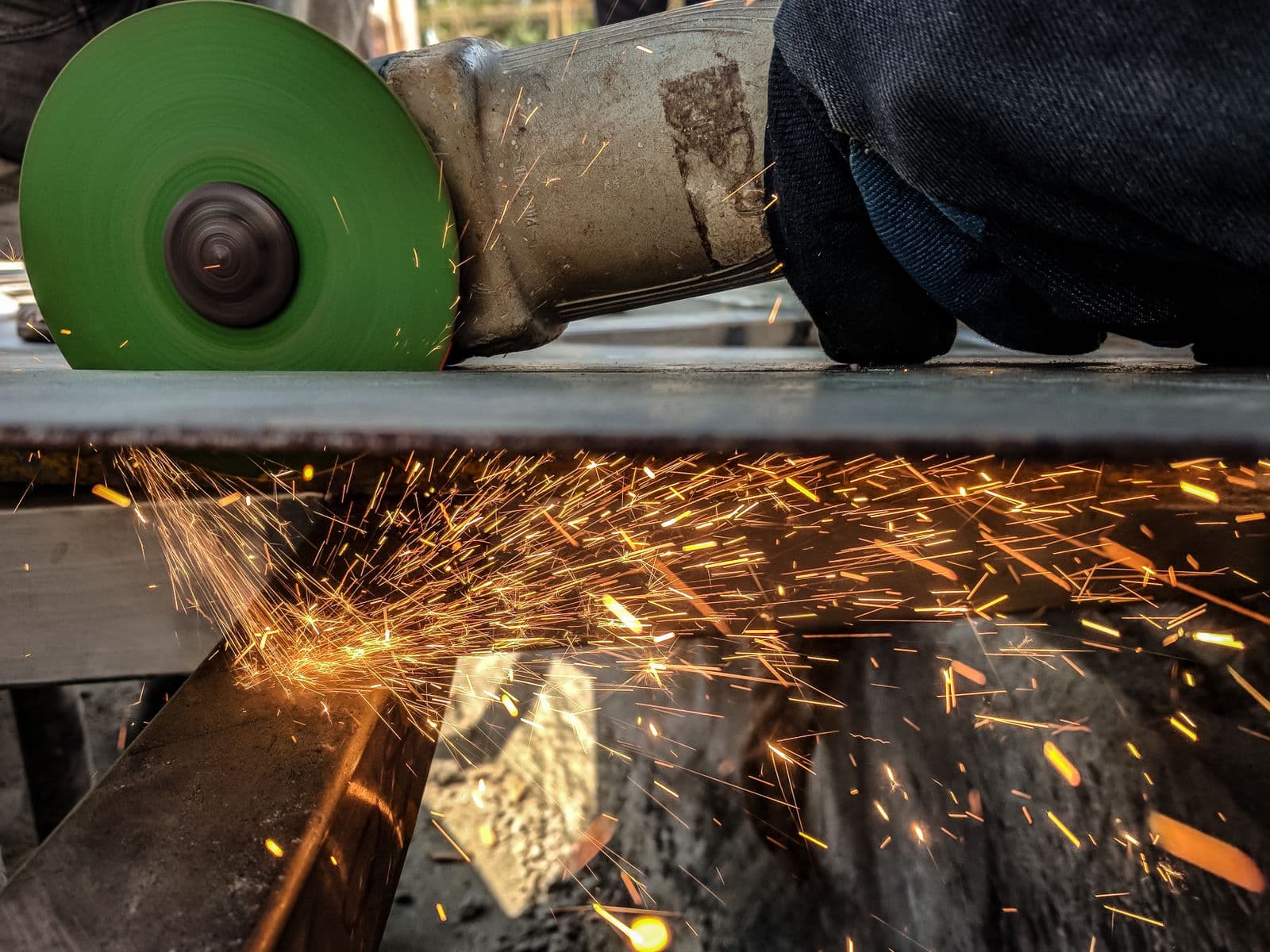
You will find Freehand Saws in the parts of a plant where this particular duty actually occurs. In practice that means cutting pipe and duct openings during erection work, emergency access cuts in walls and slabs by plant rescue teams, cutting ductile iron and concrete pipe on trench work, and equally trimming precast units and kerb on site, cutting brick and block during civil modification jobs, chasing masonry openings for cable trays. What links them is the duty rather than the machine name — diameters: 300 mm to 400 mm. If your installation is not on that list it matters less than you would think: the operating condition decides the specification. Send us the load, the speed, the running temperature and the environment it runs in, and we will match it to the right execution in the Tyrolit range and confirm what is in stock.
Specify it against the duty.
Specification here follows the operating condition, not the catalogue. The saw has no water supply on site — A dry-rated laser-welded blade, worked in passes of a few seconds with the blade allowed to spin free between them. Continuous dry cutting is what turns a good blade into a warped one. Ductile iron or steel pipe has to be cut — A blade specified for metal, not a concrete blade. Metal chips weld into a concrete-grade bond and the segments stop cutting altogether. Deep cuts in a wall are wanted from a hand saw — Cutting from both faces to a marked line, or moving to a wall saw. Twisting a hand saw to gain depth cracks the core at the segment root. Where two of those apply at once, specify for the harsher of the two — under-specifying is what puts the part back on the bench a month later. Send us the duty and we will confirm the execution.
Ordering this from SES.
Hand saws are the tools that get lent out and never inspected. Put a segment-height gauge in the tool crib and refuse any blade back into service below the wear line, because a blade run down to the core is a blade that throws segments.