

Grinding and Polishing Tools
The metal-bond and hybrid segment range for floor grinders - the tooling that does the actual cutting before any resin work begins. Bond hardness, segment shape and segment count are the three variables to get right. SES holds the range as an authorised Tyrolit distributor, covering bonds Soft, medium and hard metal bond, plus hybrid; segment forms Rectangular, arrow, round, double; grits Coarse strip grits up to fine pre-polish; fitment Quick-change, trapezoid, bolt-on. Executions include soft-bond metal segments, medium-bond metal segments, hard-bond metal segments, hybrid segments, among others. It is specified most often into levelling high spots and trowel marks on new slabs and removing laitance ahead of a resin coating. Every part is genuine Tyrolit through official channels, with designation, specification and options confirmed against your duty before it ships — supplied from Kolkata and our branch network, with breakdown cover that does not sit in an inbox.
Send an enquiry
Check Price & Availability.
Give us the size or the failed part — we reply on WhatsApp.
Trusted across Metals & Energy
Supplying India’s Industrial Names.
From integrated steel plants to power utilities and EPC majors — the works that cannot afford a counterfeit part specify through SES.





















Bonds
Metal and hybrid
Job
Cut, flatten, refine
Segments
Shape and count both vary
Rule
Soft bond on hard concrete
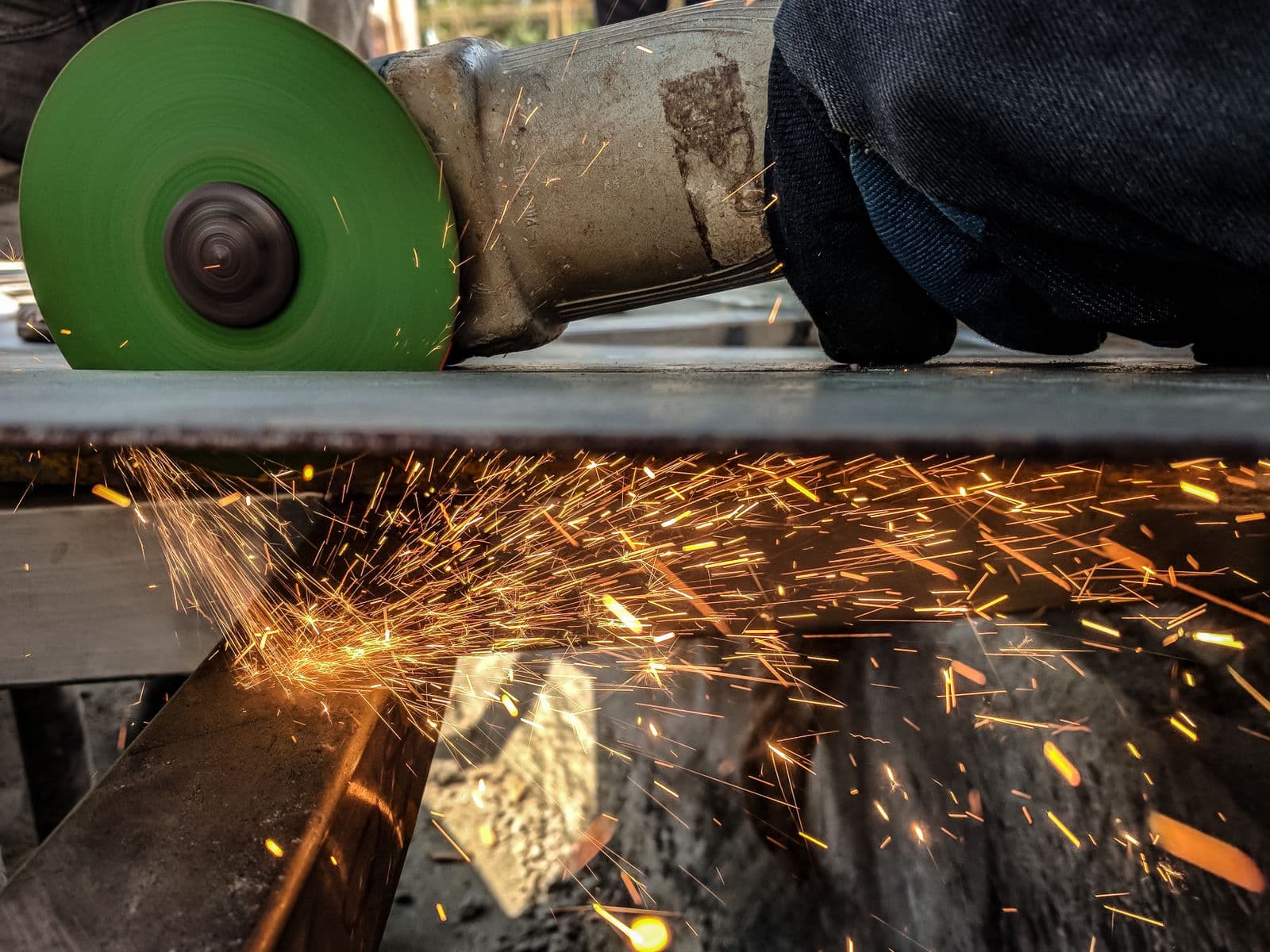
Where it runs.
You will find Grinding and Polishing Tools in the parts of a plant where this particular duty actually occurs. In practice that means levelling high spots and trowel marks on new slabs, removing laitance ahead of a resin coating, grinding screed down to a level datum, and equally preparing garage and workshop floors for paint, opening a floor surface for a bonded topping, first-cut work on a polished concrete programme. What links them is the duty rather than the machine name — bonds: Metal and hybrid. If your installation is not on that list it matters less than you would think: the operating condition decides the specification. Send us the load, the speed, the running temperature and the environment it runs in, and we will match it to the right execution in the Tyrolit range and confirm what is in stock.
Specify it against the duty.
Specification here follows the operating condition, not the catalogue. Concrete is hard and the tooling is barely wearing — A softer bond. If the tooling is not wearing it is not cutting - it is polishing itself against the slab. Tooling disappearing far faster than costed — Move up a bond hardness and sweep the floor. Grit and sand dragged under the head eat segments faster than the concrete ever will. Uneven floor with pronounced high spots — Fewer segments per head so the load concentrates. A full complement rides the peaks and takes several times as long to flatten anything. Where two of those apply at once, specify for the harsher of the two — under-specifying is what puts the part back on the bench a month later. Send us the duty and we will confirm the execution.
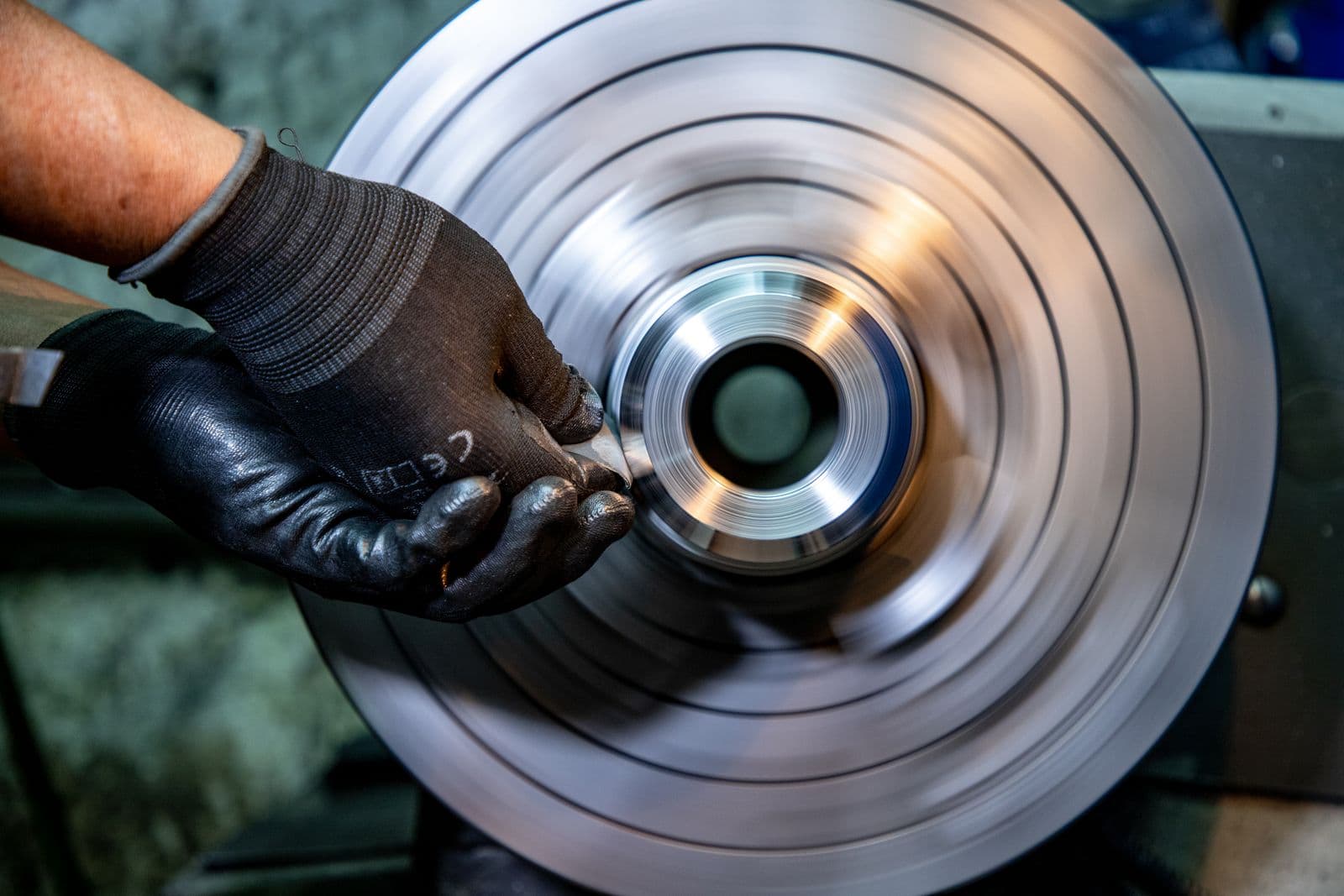
Ordering this from SES.
Bond choice runs opposite to intuition - soft bond on hard concrete, hard bond on soft concrete. Correcting that single misunderstanding usually doubles a contractor's tooling life. Send the designation off the failed part and we will confirm the Tyrolit equivalent and stock position.