
Grinding Wheels
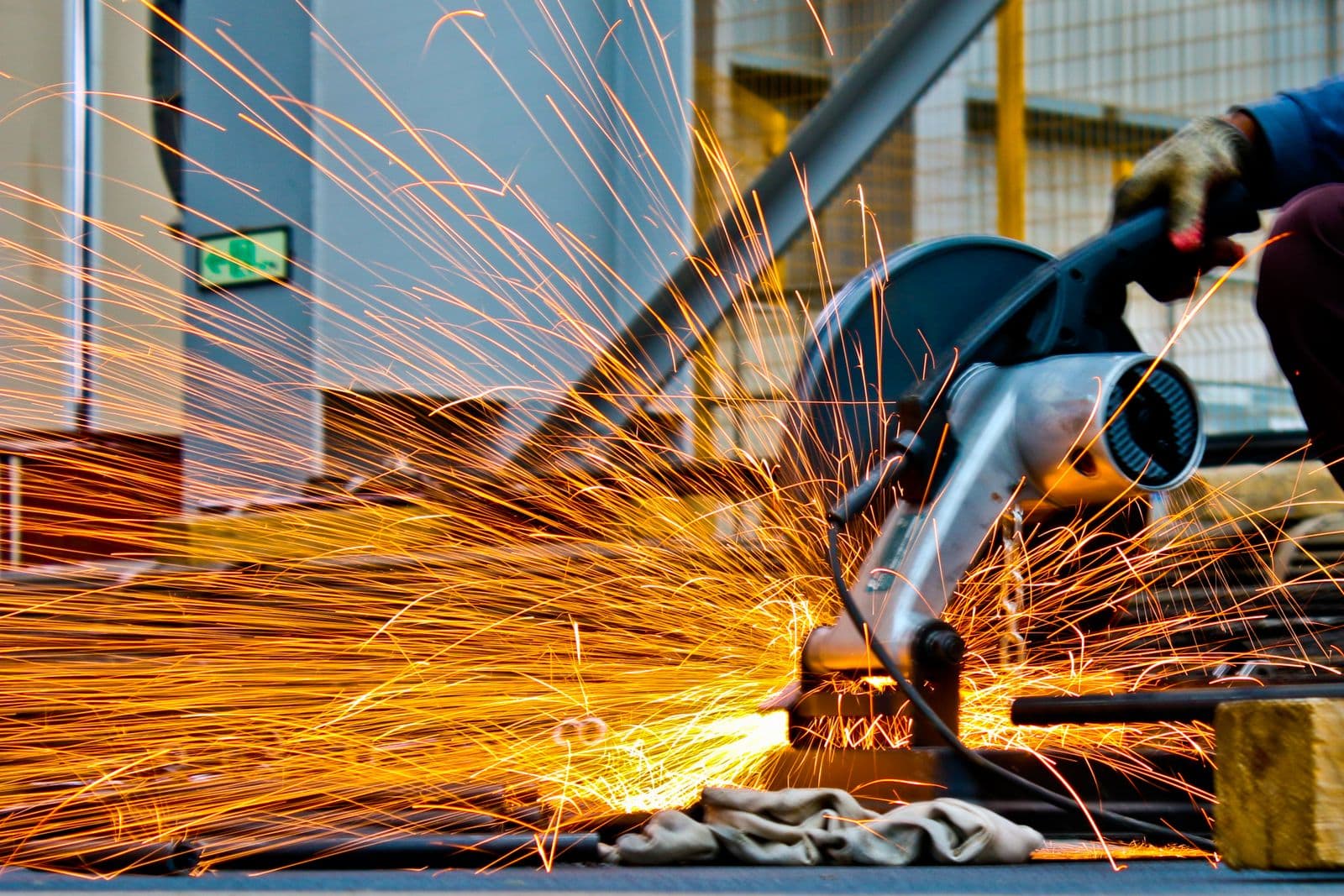
Bonded abrasive wheels for portable grinders and fixed machines, from depressed-centre roughing wheels to vitrified wheels for precision work. The specification marked on the wheel - grain, grit, grade, structure, bond - is what you actually order by. SES holds the range as an authorised Tyrolit distributor, covering types Depressed centre, straight, dish and saucer; grains Aluminium oxide, zirconia alumina, silicon carbide; bonds Resin and vitrified; grades Soft to hard, letter coded on the wheel. Executions include depressed-centre grinding wheels, straight grinding wheels, bench and pedestal wheels, vitrified precision wheels, among others. It is specified most often into weld dressing and gouge removal in fabrication and fettling risers and runners in a foundry. Every part is genuine Tyrolit through official channels, with designation, specification and options confirmed against your duty before it ships — supplied from Kolkata and our branch network, with breakdown cover that does not sit in an inbox.
Send an enquiry
Check Price & Availability.
Give us the size or the failed part — we reply on WhatsApp.
Trusted across Metals & Energy
Supplying India’s Industrial Names.
From integrated steel plants to power utilities and EPC majors — the works that cannot afford a counterfeit part specify through SES.





















Types
Depressed centre, straight, precision
Bonds
Resin and vitrified
Ordering
By the wheel specification code
Speed
Marked maximum, always observed
Where it runs.
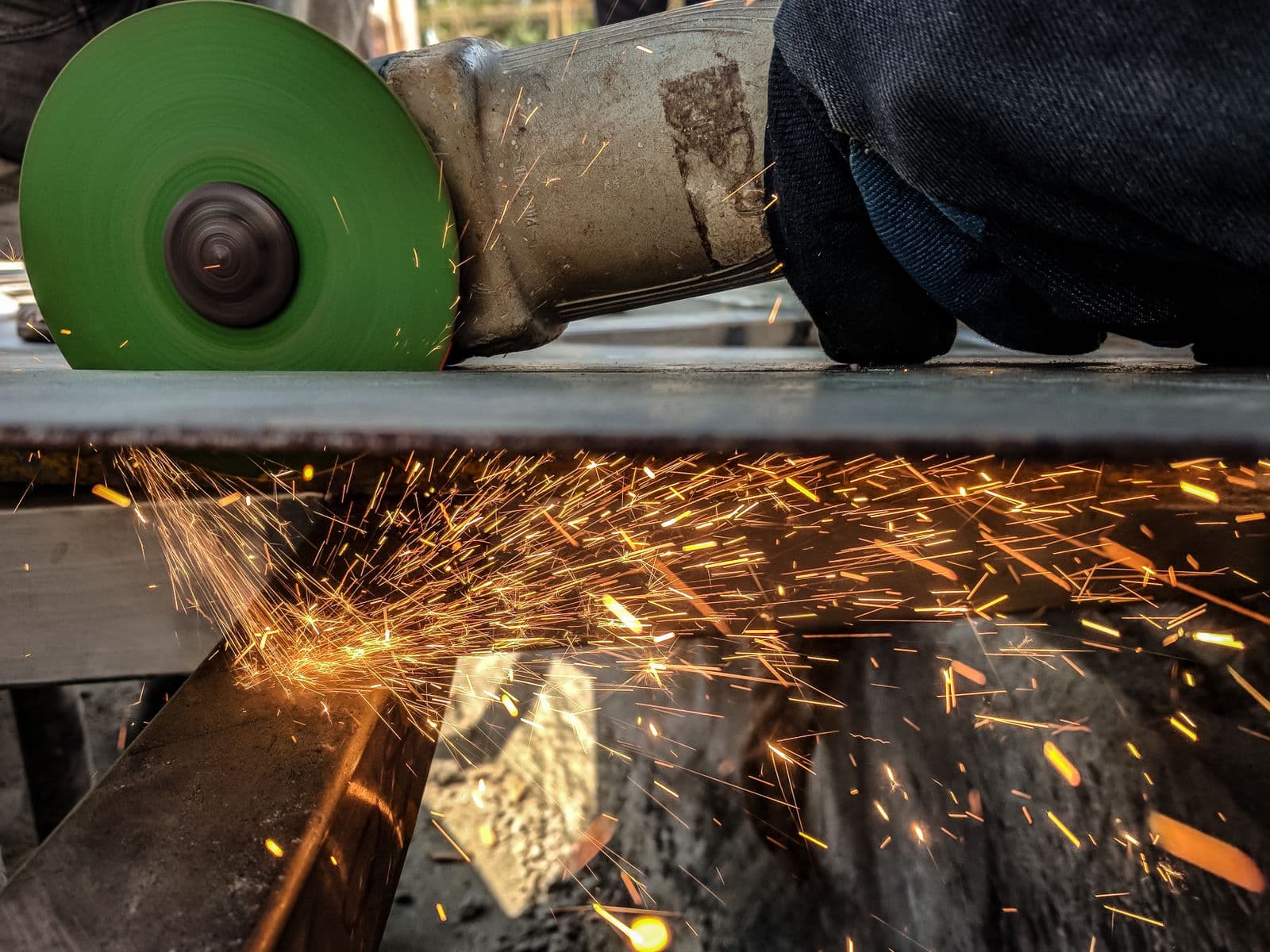
You will find Grinding Wheels in the parts of a plant where this particular duty actually occurs. In practice that means weld dressing and gouge removal in fabrication, fettling risers and runners in a foundry, snagging work on bench and pedestal grinders, and equally cylindrical and surface grinding in a machine shop, rail welding and finishing on track maintenance, removing casting flash from heavy steel components. What links them is the duty rather than the machine name — types: Depressed centre, straight, precision. If your installation is not on that list it matters less than you would think: the operating condition decides the specification. Send us the load, the speed, the running temperature and the environment it runs in, and we will match it to the right execution in the Tyrolit range and confirm what is in stock.
Specify it against the duty.
Specification here follows the operating condition, not the catalogue. Hand grinder in a fabrication bay — A resin-bonded depressed-centre wheel of the right thickness. Too thin and it flexes and shatters at the edge; too thick and it will not follow the joint. Precision machine running with coolant — A vitrified wheel specified for the material and dressed before every critical pass. Fitting a portable-grinder wheel to a precision machine is both unsafe and pointless. Wheel glazing over and burning the work — Move one grade softer so the bond releases dull grain. A harder wheel holds blunt grit and pushes the heat straight into the part. Where two of those apply at once, specify for the harsher of the two — under-specifying is what puts the part back on the bench a month later. Send us the duty and we will confirm the execution.
Ordering this from SES.
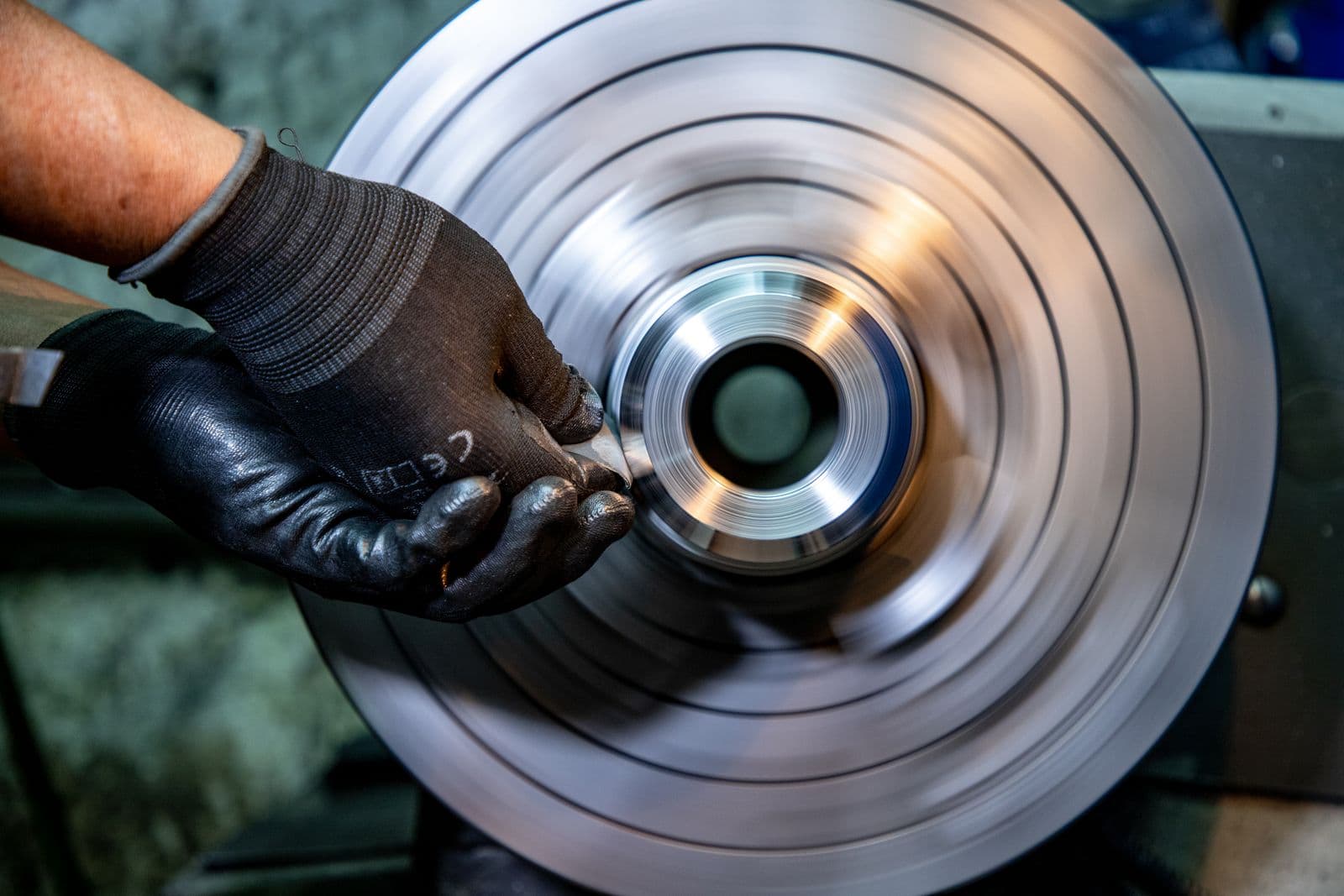
Ring-test every vitrified wheel before mounting, and never store wheels leaning against a wall. A hairline crack picked up from a knock in transit is invisible, and the wheel finds it at full speed. Send the designation off the failed part and we will confirm the Tyrolit equivalent and stock position.