
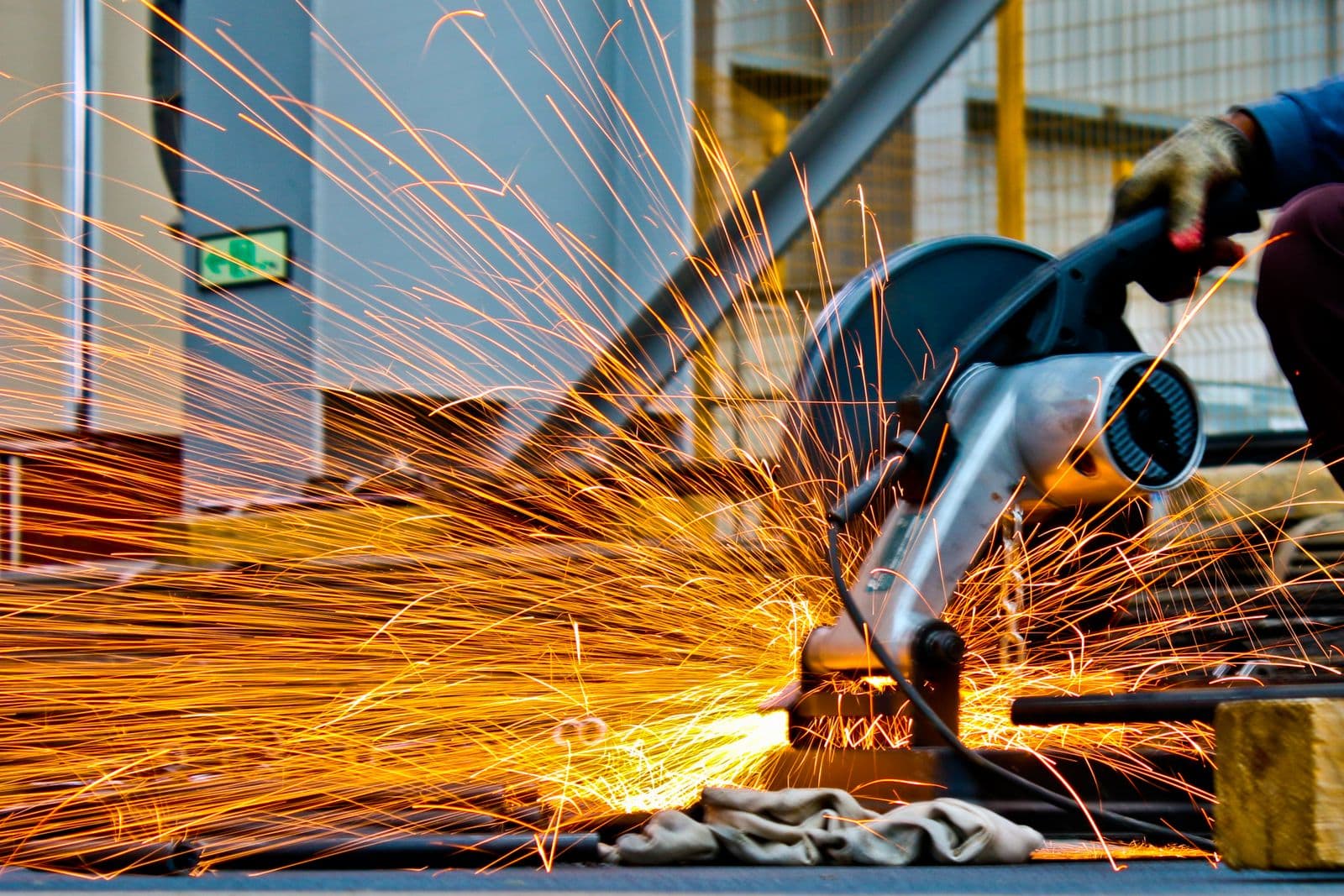
High Pressure Grinding
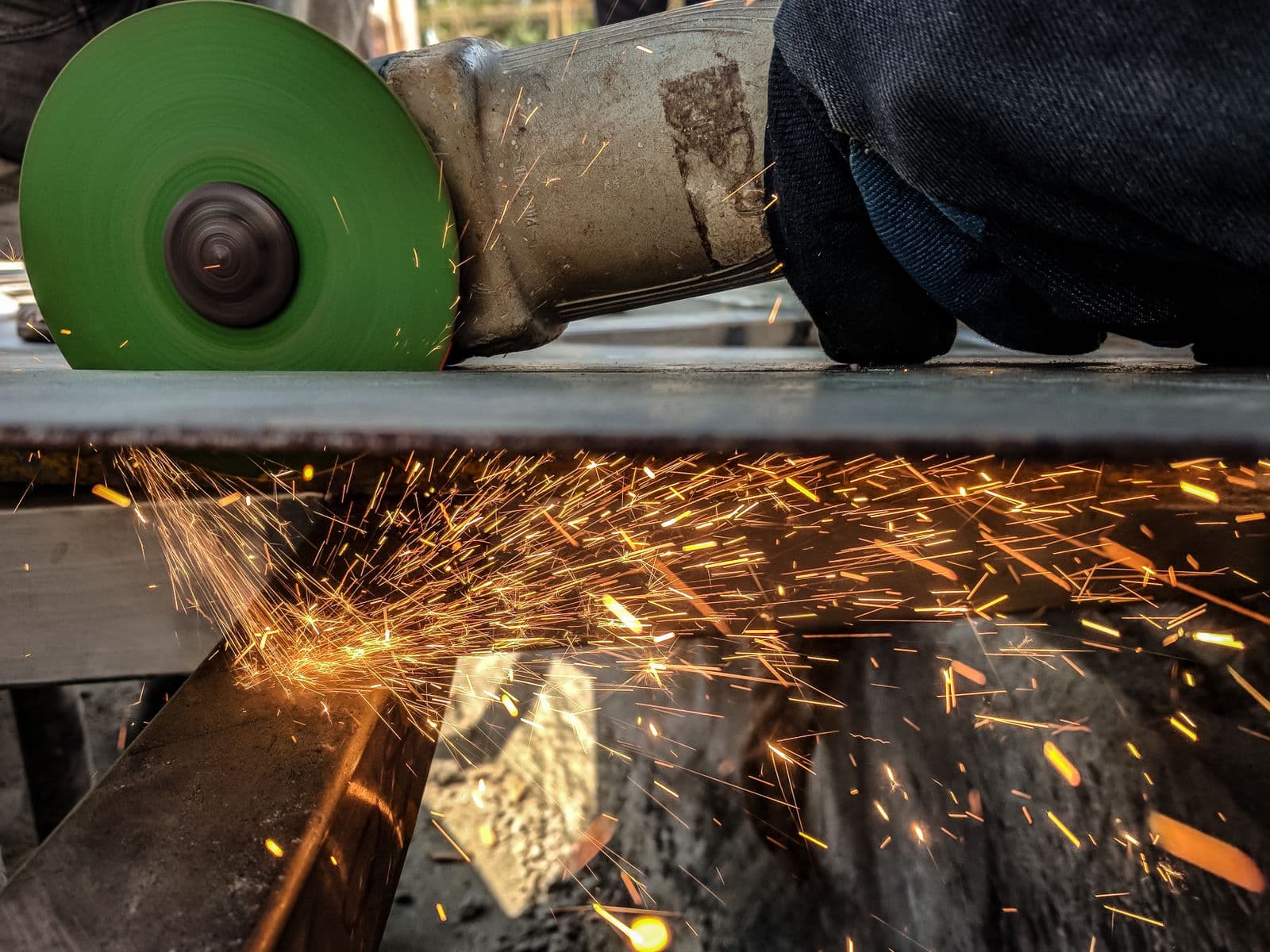
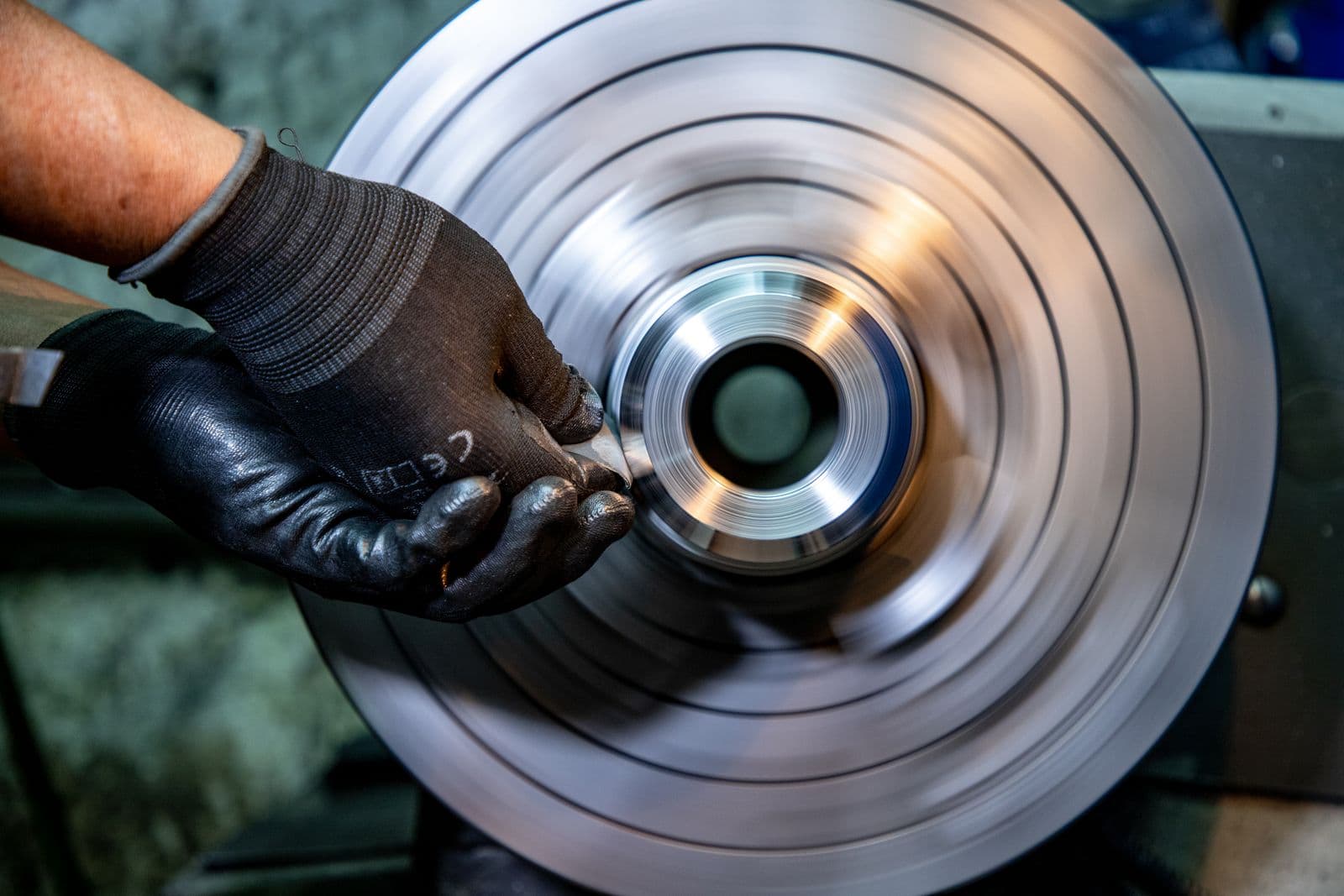
Grinding at very high contact pressure and removal rate to condition slabs, billets and bars in a steel plant. One pass takes off surface defects that would otherwise turn into rolling faults downstream. SES holds the range as an authorised Tyrolit distributor, covering wheel diameters Commonly 500 mm to 900 mm; thicknesses Heavy, typically 50 mm to 100 mm; abrasives Zirconia alumina and aluminium oxide blends; bond Resinoid with heavy fibre reinforcement. Executions include slab grinding wheels, billet grinding wheels, conditioning wheels for stainless grades, high-temperature execution wheels, among others. It is specified most often into slab conditioning ahead of the hot rolling mill and billet and bloom surface grinding in a steel melting shop. Every part is genuine Tyrolit through official channels, with designation, specification and options confirmed against your duty before it ships — supplied from Kolkata and our branch network, with breakdown cover that does not sit in an inbox.
Send an enquiry
Check Price & Availability.
Give us the size or the failed part — we reply on WhatsApp.
Trusted across Metals & Energy
Supplying India’s Industrial Names.
From integrated steel plants to power utilities and EPC majors — the works that cannot afford a counterfeit part specify through SES.















Duty
Kilograms of steel removed per minute
Machines
Automatic slab and billet grinders
Bond
Heavy reinforced resinoid
Wheel speeds
Up to 80 m/s and beyond
Where it runs.
You will find High Pressure Grinding in the parts of a plant where this particular duty actually occurs. In practice that means slab conditioning ahead of the hot rolling mill, billet and bloom surface grinding in a steel melting shop, stainless bar and coil edge conditioning, and equally removing scarfing marks and surface cracks, ingot dressing before forging, corner grinding on continuously cast blooms. What links them is the duty rather than the machine name — duty: Kilograms of steel removed per minute. If your installation is not on that list it matters less than you would think: the operating condition decides the specification. Send us the load, the speed, the running temperature and the environment it runs in, and we will match it to the right execution in the Tyrolit range and confirm what is in stock.
Specify it against the duty.
Specification here follows the operating condition, not the catalogue. Carbon and low-alloy steel at maximum removal — Zirconia alumina in a hard, heavily reinforced bond run at the machine's rated speed. Underspeeding a high-pressure wheel destroys the grinding ratio. Stainless and high-alloy grades — A cooler-cutting grain in a sulphur-free bond, so the conditioned surface does not need pickling afterwards. Grinder tripping on spindle load — A softer grade before any thought of a bigger motor. The wheel is too hard for the pressure and is rubbing rather than cutting. Where two of those apply at once, specify for the harsher of the two — under-specifying is what puts the part back on the bench a month later. Send us the duty and we will confirm the execution.
Ordering this from SES.
Judge these wheels on grinding ratio and kilograms removed per hour, never on wheel price. A cheaper wheel that conditions less steel per shift costs the melting shop more in mill delay than the entire wheel order is worth.