
Surface Conditioning
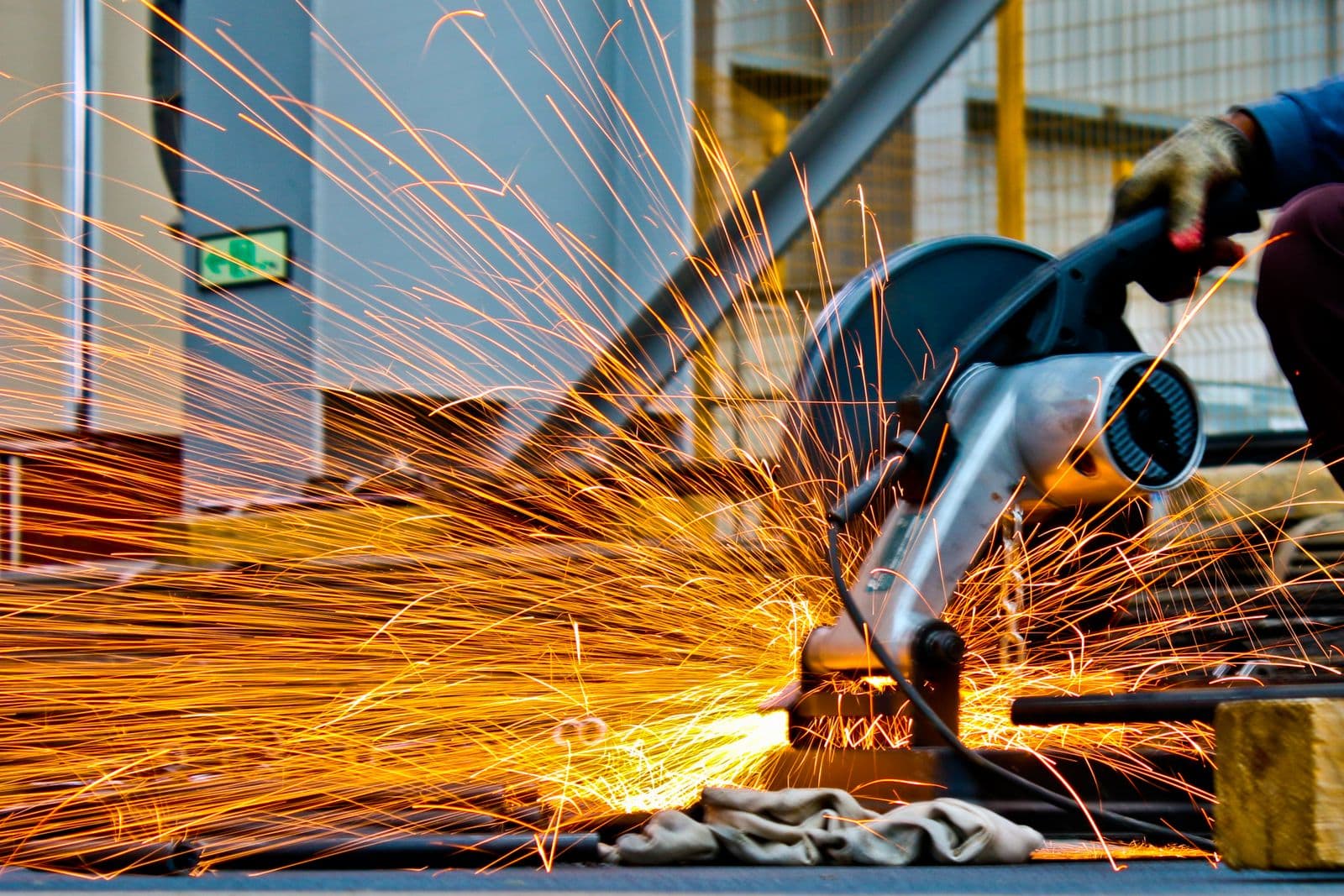
The machines that carry conditioning tooling: grinders, sanders and finishing units on which non-woven discs, flap wheels and belts actually run. Controlled speed matters more here than raw power, because conditioning media fail by heat. SES holds the range as an authorised Tyrolit distributor, covering machine forms Angle grinders, straight grinders, belt and band machines; speed Variable speed control for non-woven media; drives Electric, battery and pneumatic; tool mounting Threaded spindle, collet and quick-change. Executions include variable-speed angle grinders, straight and die grinders, belt and band finishing machines, pipe and tube finishing machines, among others. It is specified most often into weld dressing on stainless tanks and vessels and finishing handrail and pipe assemblies in fabrication. Every part is genuine Tyrolit through official channels, with designation, specification and options confirmed against your duty before it ships — supplied from Kolkata and our branch network, with breakdown cover that does not sit in an inbox.
Send an enquiry
Check Price & Availability.
Give us the size or the failed part — we reply on WhatsApp.
Trusted across Metals & Energy
Supplying India’s Industrial Names.
From integrated steel plants to power utilities and EPC majors — the works that cannot afford a counterfeit part specify through SES.





















Purpose
Drives conditioning and finishing tooling
Key spec
Variable speed, not headline power
Forms
Angle, straight, belt and pipe machines
Result
Repeatable, controlled surface finish
Where it runs.
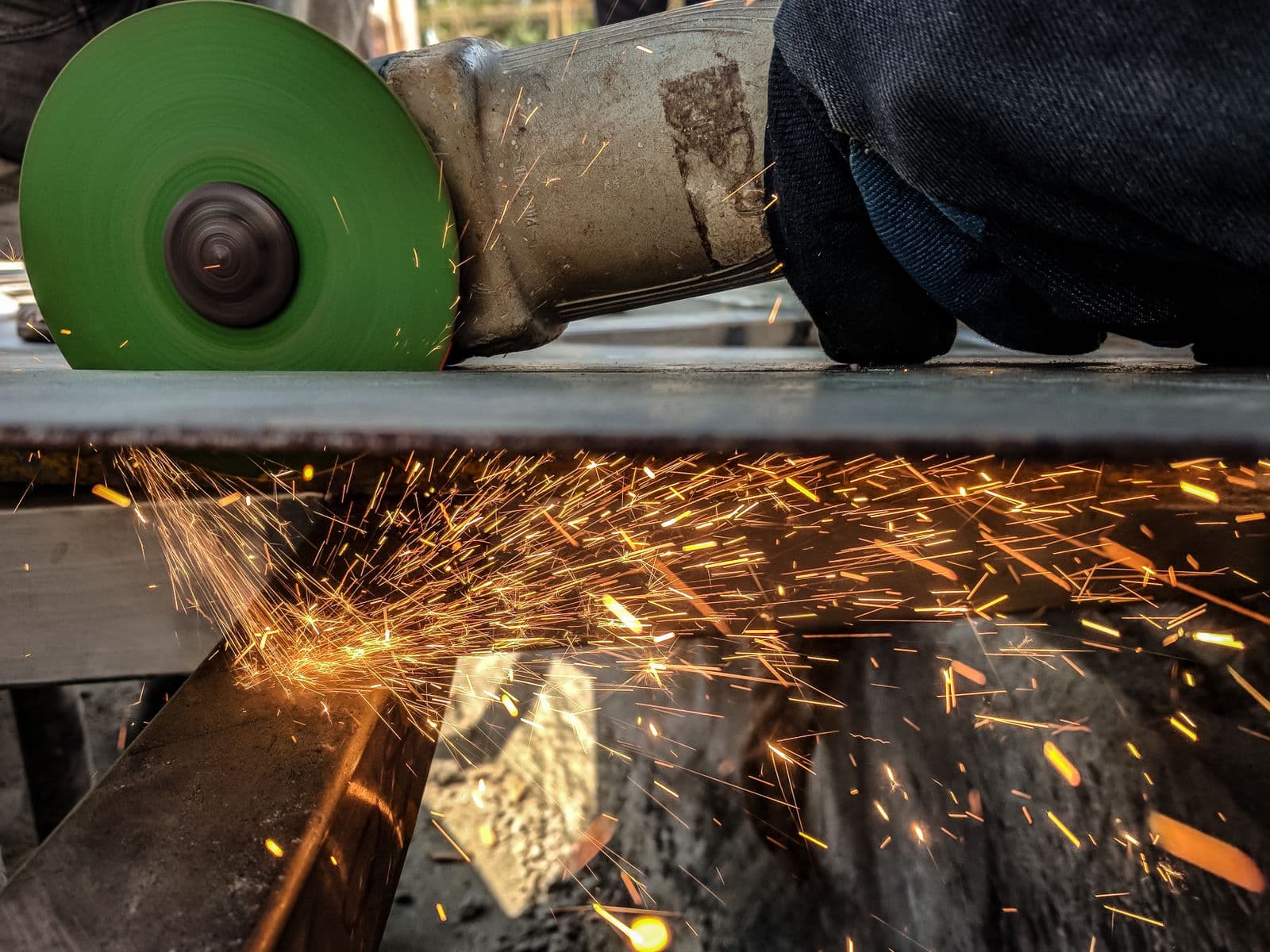
You will find Surface Conditioning in the parts of a plant where this particular duty actually occurs. In practice that means weld dressing on stainless tanks and vessels, finishing handrail and pipe assemblies in fabrication, blending repairs on machined components in the tool room, and equally preparing structural steel before painting, cleaning and finishing concrete surfaces before coating, edge finishing and deburring in the fabrication shop. What links them is the duty rather than the machine name — purpose: Drives conditioning and finishing tooling. If your installation is not on that list it matters less than you would think: the operating condition decides the specification. Send us the load, the speed, the running temperature and the environment it runs in, and we will match it to the right execution in the Tyrolit range and confirm what is in stock.
Specify it against the duty.
Specification here follows the operating condition, not the catalogue. Non-woven and unitised products in use — A variable-speed machine set inside the product speed range. Run above it and the web melts, glazes and leaves black smear across stainless. Finishing a tube or handrail all the way round — A pipe or band-type machine that wraps the belt onto the work. An angle grinder cannot hold a consistent line on a curved surface. Continuous linishing of flat panels — A belt machine with a stable platen. Hand-held discs on a flat panel leave overlapping arcs that appear the moment light catches the surface. Where two of those apply at once, specify for the harsher of the two — under-specifying is what puts the part back on the bench a month later. Send us the duty and we will confirm the execution.
Ordering this from SES.
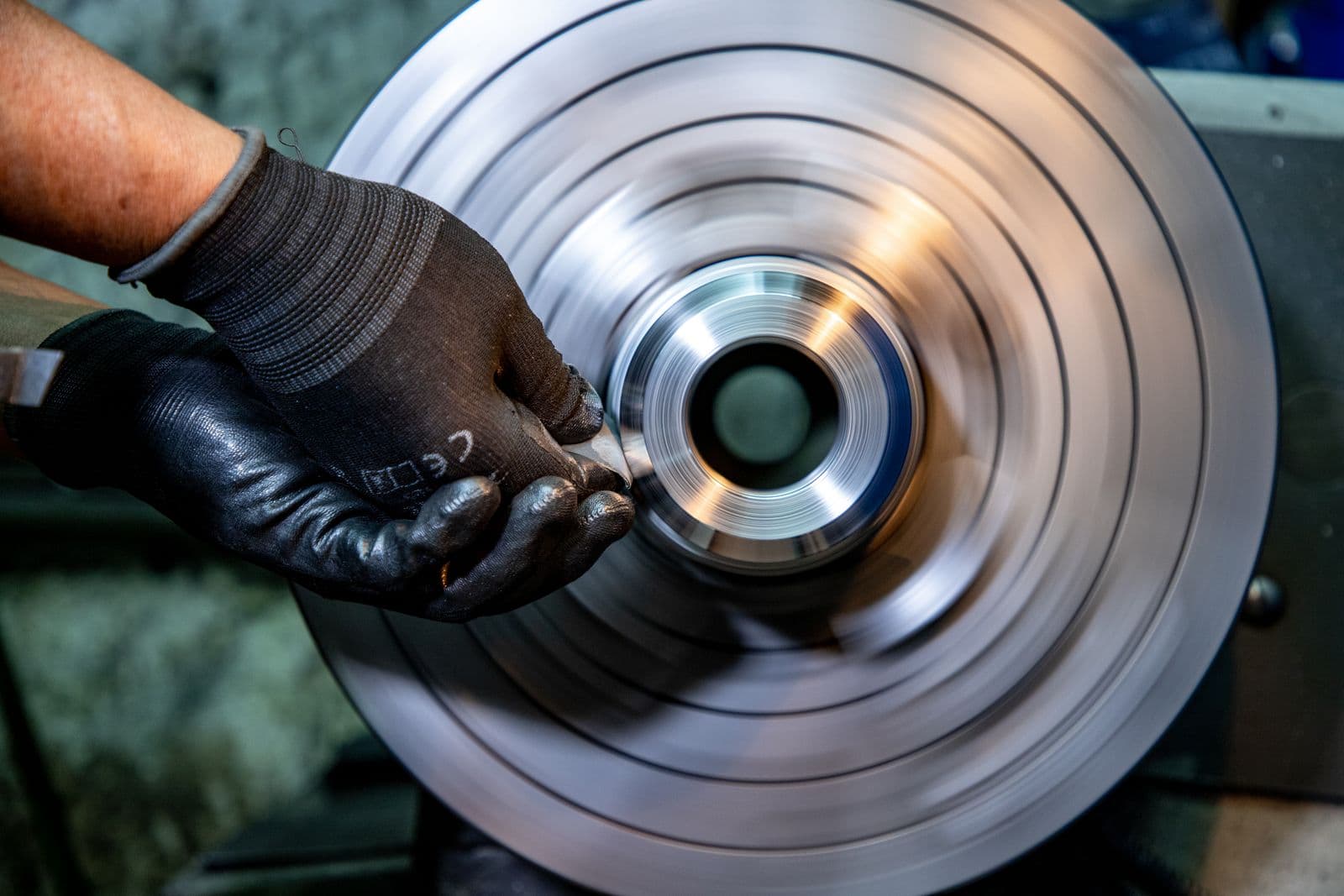
Mark the working speed on the machine itself, not only in the method statement. Conditioning media die of heat, and the speed dial is the only variable the operator controls at the wall. Send the designation off the failed part and we will confirm the Tyrolit equivalent and stock position.