
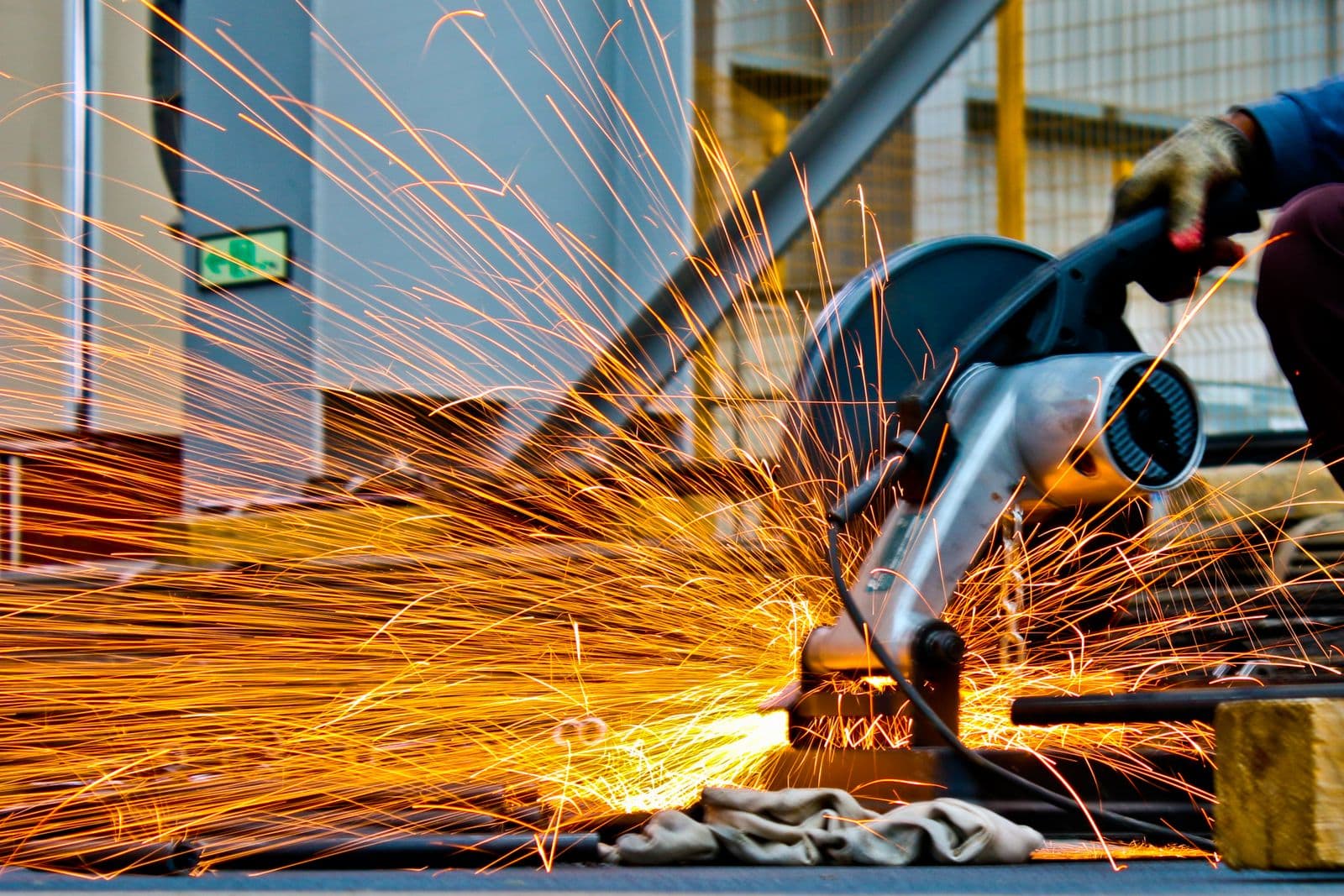
Pedestal and Reciprocating Grinding
Bench and pedestal wheels, together with the larger wheels used on reciprocating snagging machines, where the casting is presented to a fixed wheel. Because the wheel is supported and guarded, it runs heavier and lasts longer than anything hand-held. SES holds the range as an authorised Tyrolit distributor, covering diameters 150 mm to 900 mm; thicknesses 20 mm to 100 mm; bonds Resinoid for snagging, vitrified for bench work; grain Aluminium oxide and zirconia alumina. Executions include vitrified bench and pedestal wheels, resinoid snagging wheels, recessed wheels for large flanged spindles, coarse wheels for soft iron castings, among others. It is specified most often into riser stub grinding on small iron castings and deburring and edge breaking in machine shops. Every part is genuine Tyrolit through official channels, with designation, specification and options confirmed against your duty before it ships — supplied from Kolkata and our branch network, with breakdown cover that does not sit in an inbox.
Send an enquiry
Check Price & Availability.
Give us the size or the failed part — we reply on WhatsApp.
Trusted across Metals & Energy
Supplying India’s Industrial Names.
From integrated steel plants to power utilities and EPC majors — the works that cannot afford a counterfeit part specify through SES.





















Machines
Pedestal, bench, reciprocating snagger
Wheels
Straight and recessed, 150 to 900 mm
Bond
Resinoid and vitrified
Work
Small and medium castings
Where it runs.
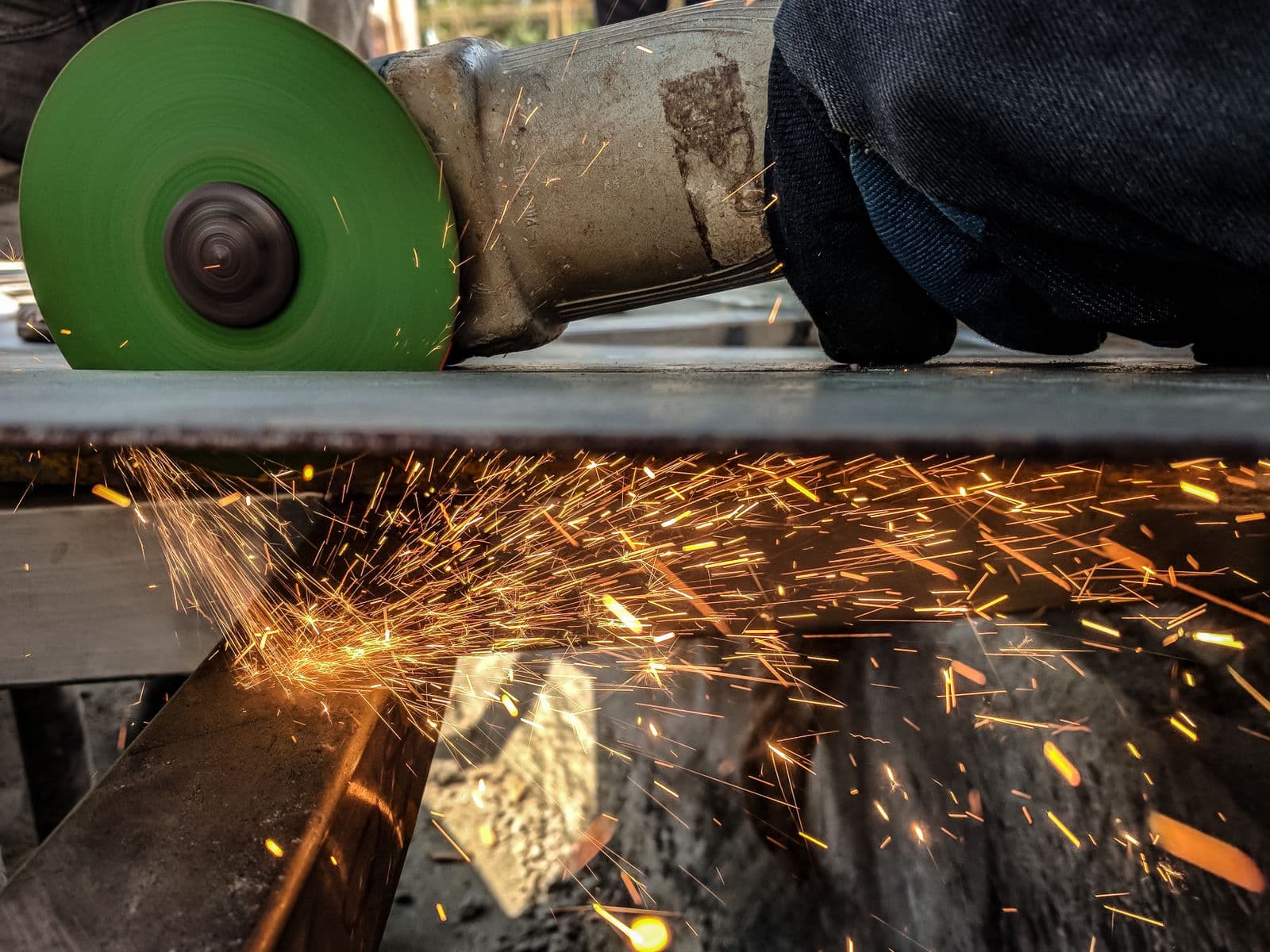
You will find Pedestal and Reciprocating Grinding in the parts of a plant where this particular duty actually occurs. In practice that means riser stub grinding on small iron castings, deburring and edge breaking in machine shops, snagging billets and small ingots in steel plants, and equally dressing hand tools and shop-made fixtures, cleaning pump and valve body castings before machining, removing flash from forgings in forge shops. What links them is the duty rather than the machine name — machines: Pedestal, bench, reciprocating snagger. If your installation is not on that list it matters less than you would think: the operating condition decides the specification. Send us the load, the speed, the running temperature and the environment it runs in, and we will match it to the right execution in the Tyrolit range and confirm what is in stock.
Specify it against the duty.
Specification here follows the operating condition, not the catalogue. Castings are soft and the wheel loads quickly — An open structure in a coarser grit. Loading is a structure problem, and moving to a harder grade only makes it worse. Parts are small and held by hand — A wheel that suits a proper work rest setup, with the rest set close. No wheel grade compensates for a gap that drags the part in. The machine reciprocates automatically — A resinoid snagging wheel rated for the traverse speed, not a bench wheel. Bench grades are not built for the side load of a traversing table. Where two of those apply at once, specify for the harsher of the two — under-specifying is what puts the part back on the bench a month later. Send us the duty and we will confirm the execution.
Ordering this from SES.
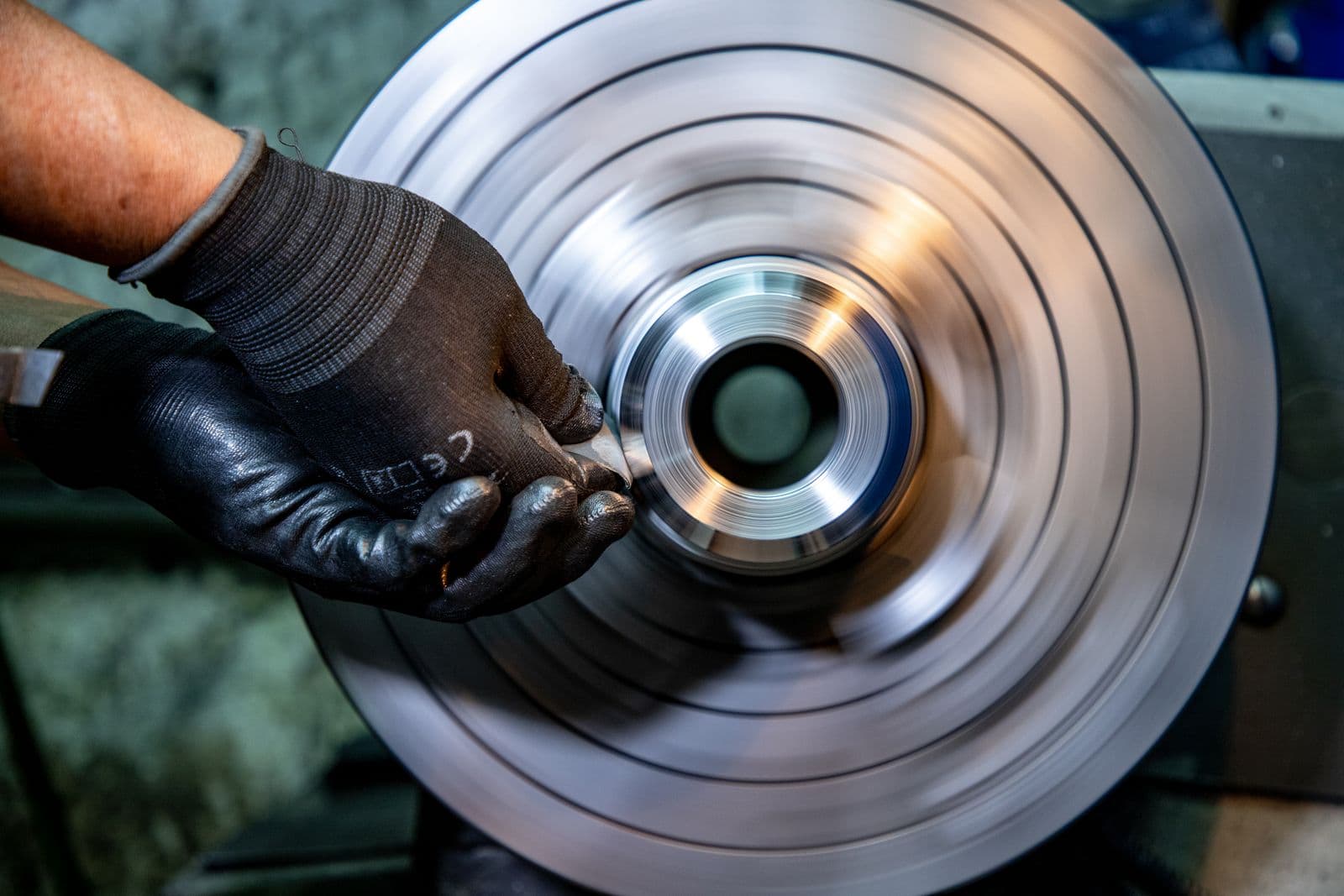
Keep the work rest within two or three millimetres of the wheel face and re-set it after every dress. A widening gap causes more accidents on pedestal grinders than anything else, and it opens up simply because the wheel shrinks while nobody moves the rest.