

Polishing Pads
Resin-bonded diamond pads that take a ground stone or concrete face through to gloss. Each grit exists to remove the scratch pattern left by the one before it, so the sequence matters far more than the pressure. SES holds the range as an authorised Tyrolit distributor, covering bond Resin with diamond grit; grit sequence Coarse through to very fine gloss grades; fitment Hook-and-loop backing; method Wet, or dry where the pad is rated for it. Executions include wet polishing pads, dry polishing pads, flexible pads for curved edges, transitional resin pads, among others. It is specified most often into polishing cast concrete floors in warehouses and showrooms and finishing granite and marble worktops in a stone shop. Every part is genuine Tyrolit through official channels, with designation, specification and options confirmed against your duty before it ships — supplied from Kolkata and our branch network, with breakdown cover that does not sit in an inbox.
Send an enquiry
Check Price & Availability.
Give us the size or the failed part — we reply on WhatsApp.
Trusted across Metals & Energy
Supplying India’s Industrial Names.
From integrated steel plants to power utilities and EPC majors — the works that cannot afford a counterfeit part specify through SES.





















Bond
Resin diamond
Sequence
Coarse to fine, no steps skipped
Method
Wet or dry variants
Fitment
Hook-and-loop to plate or hand polisher
Where it runs.
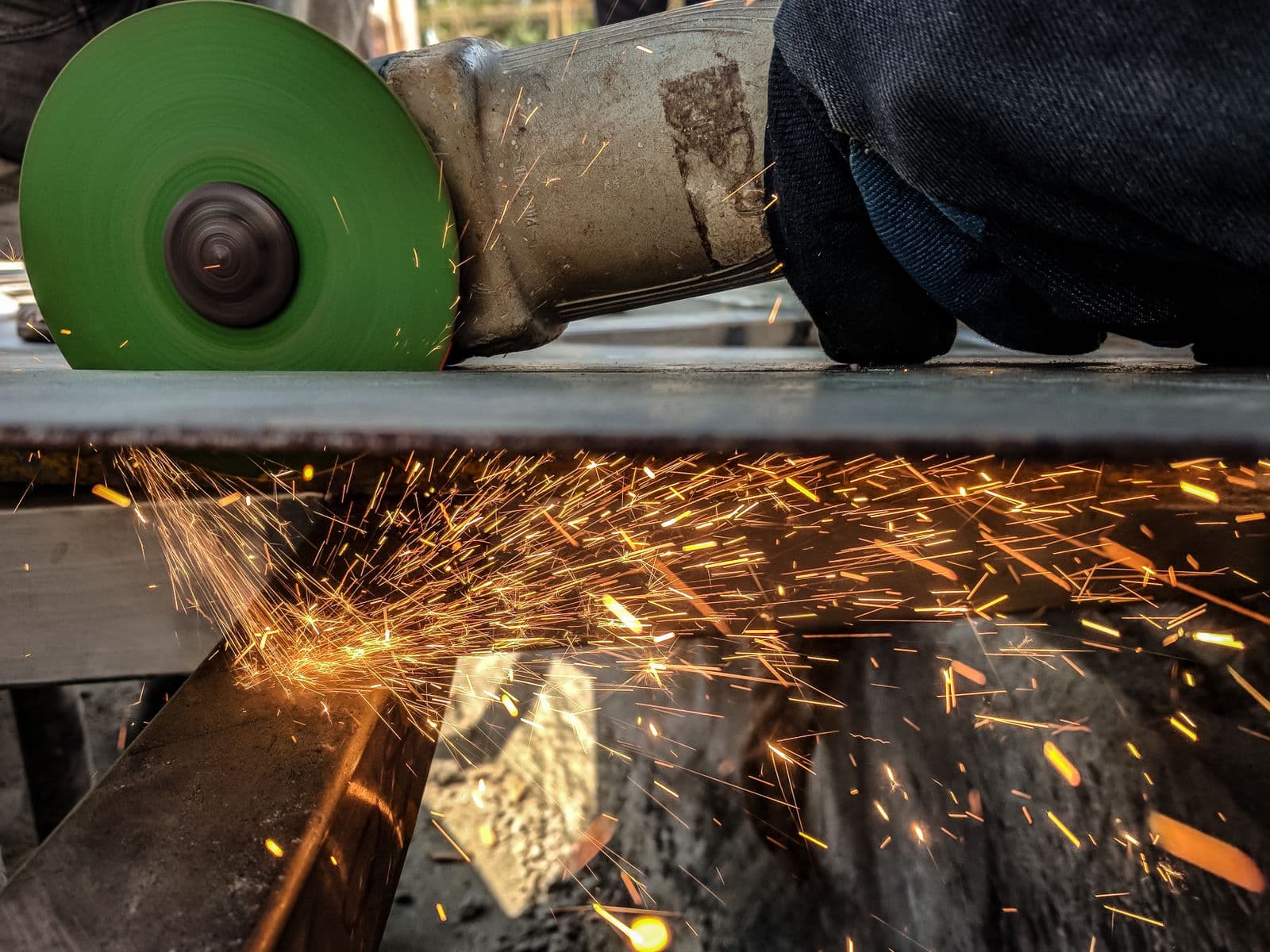
You will find Polishing Pads in the parts of a plant where this particular duty actually occurs. In practice that means polishing cast concrete floors in warehouses and showrooms, finishing granite and marble worktops in a stone shop, edge and sink cut-out polishing on kitchen tops, and equally refurbishing terrazzo in institutional buildings, blending repaired concrete patches into the surrounding floor, polishing precast elements before dispatch. What links them is the duty rather than the machine name — bond: Resin diamond. If your installation is not on that list it matters less than you would think: the operating condition decides the specification. Send us the load, the speed, the running temperature and the environment it runs in, and we will match it to the right execution in the Tyrolit range and confirm what is in stock.
Specify it against the duty.
Specification here follows the operating condition, not the catalogue. Water cannot be used inside a finished building — Dry-rated pads with proper extraction. Wet pads run dry glaze within a minute because the slurry they rely on never forms. Deep scratches still visible after the first polishing step — Go back a grit rather than forward. A fine pad cannot remove a coarse scratch; it only rounds the edges and the scratch reappears under gloss. Soft substrate or heavily exposed aggregate — A softer resin bond so fresh diamond keeps being exposed. Hard bonds glaze over on soft material and stop cutting altogether. Where two of those apply at once, specify for the harsher of the two — under-specifying is what puts the part back on the bench a month later. Send us the duty and we will confirm the execution.
Ordering this from SES.
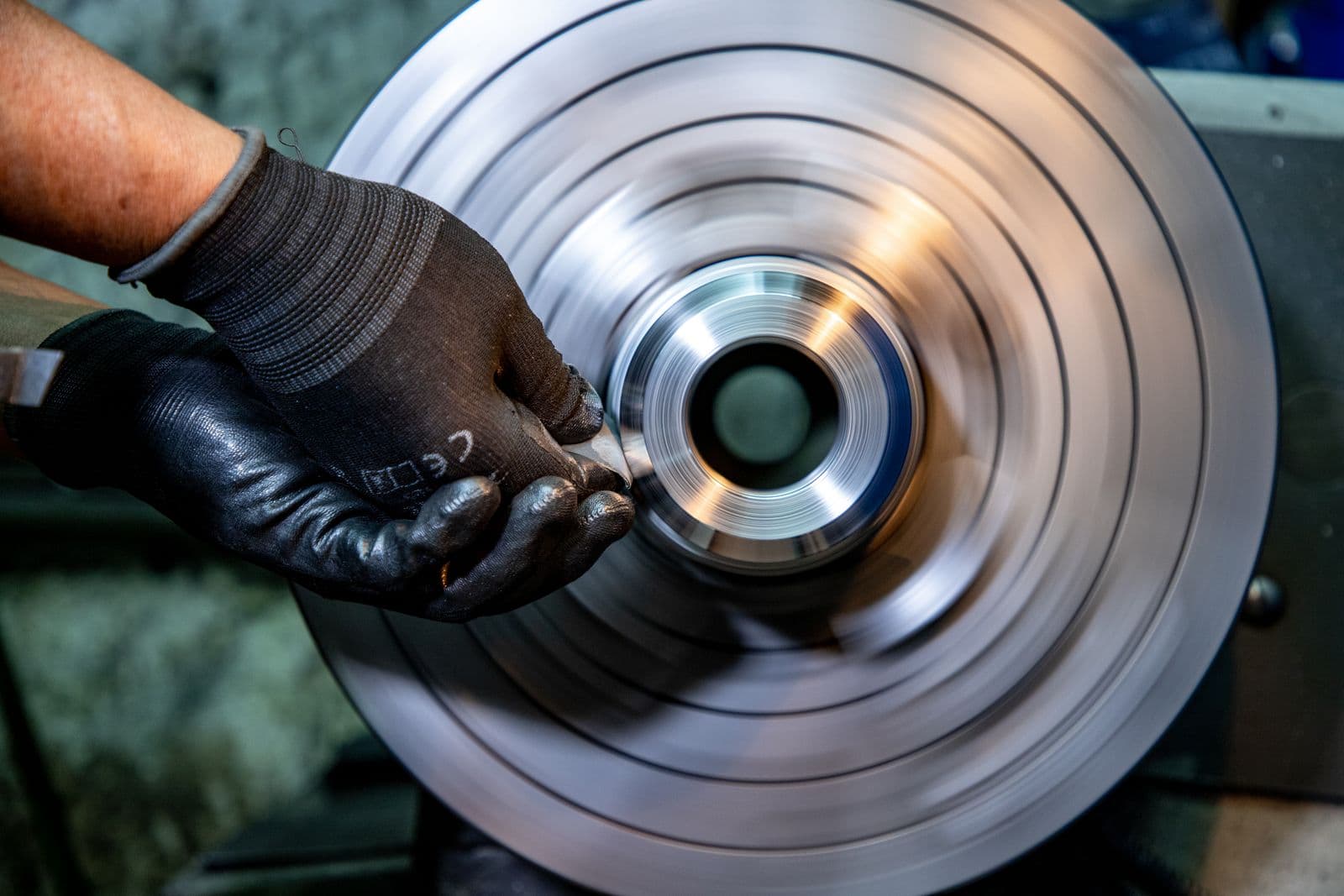
Keep one unused pad of every grit out of circulation as a reference. Once a set gets mixed, nobody can tell a worn 400 from a fresh 800 by eye and the sequence quietly stops working. Send the designation off the failed part and we will confirm the Tyrolit equivalent and stock position.