
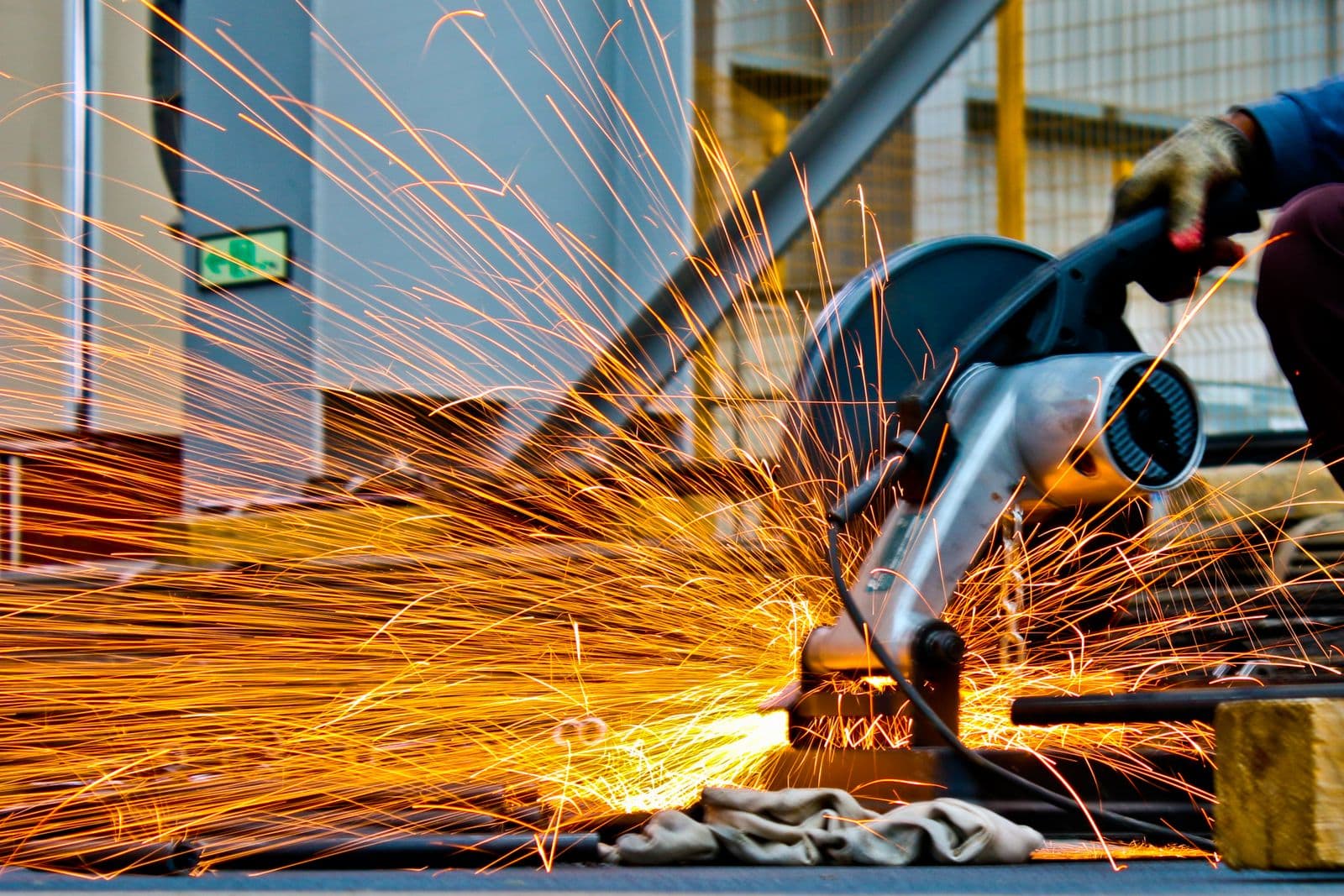
Rollers
Flap and non-woven rollers running on a straight grinder, pipe sander or bench unit, wrapping the finish around a curved surface. They earn their place on tube, rail and profile work where a flat disc only ever touches along a line. SES holds the range as an authorised Tyrolit distributor, covering types Flap rollers, fleece rollers, combination rollers; core Rigid or compressible, keyed or plain arbor; grades Coarse through to very fine; widths Narrow single rollers up to full bench widths. Executions include flap rollers, non-woven fleece rollers, combination flap and fleece rollers, interleaved rollers, among others. It is specified most often into satin-finishing stainless handrail and balustrade tube and blending longitudinal seams on process pipework. Every part is genuine Tyrolit through official channels, with designation, specification and options confirmed against your duty before it ships — supplied from Kolkata and our branch network, with breakdown cover that does not sit in an inbox.
Send an enquiry
Check Price & Availability.
Give us the size or the failed part — we reply on WhatsApp.
Trusted across Metals & Energy
Supplying India’s Industrial Names.
From integrated steel plants to power utilities and EPC majors — the works that cannot afford a counterfeit part specify through SES.




















Form
Flap or fleece roller on an arbor
Surfaces
Tube, profile, radius
Drive
Straight grinder or belt sander
Result
Uniform linear grain
Where it runs.
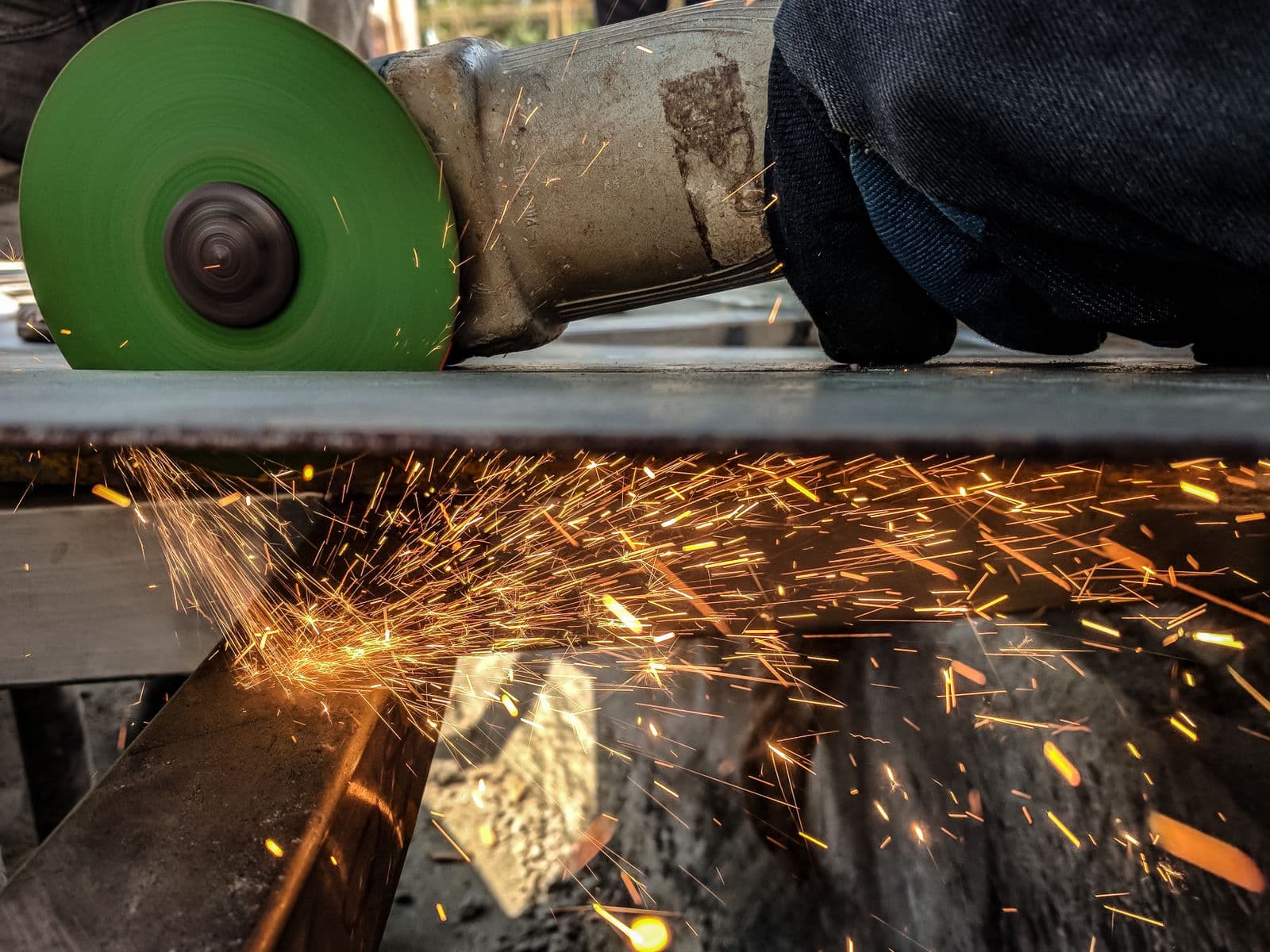
You will find Rollers in the parts of a plant where this particular duty actually occurs. In practice that means satin-finishing stainless handrail and balustrade tube, blending longitudinal seams on process pipework, cleaning shafts and rolls in a paper mill workshop, and equally finishing extruded aluminium sections for architectural work, removing scale from bar stock before machining, dressing rubber-covered rolls before re-lagging. What links them is the duty rather than the machine name — form: Flap or fleece roller on an arbor. If your installation is not on that list it matters less than you would think: the operating condition decides the specification. Send us the load, the speed, the running temperature and the environment it runs in, and we will match it to the right execution in the Tyrolit range and confirm what is in stock.
Specify it against the duty.
Specification here follows the operating condition, not the catalogue. Round tube that must look identical along its whole length — A roller wide enough to cover the run in one pass. Overlapping narrow rollers leaves a visible band wherever the operator repositions. Weld crown standing proud on a tube seam — Cut the crown down with a coated flap roller first, then change to fleece. Fleece on its own rides over the crown and leaves a proud shiny line. Changing radii and mixed profiles on one part — A soft-core roller that conforms to the shape. A rigid core bridges the profile and grinds only the peaks flat. Where two of those apply at once, specify for the harsher of the two — under-specifying is what puts the part back on the bench a month later. Send us the duty and we will confirm the execution.
Ordering this from SES.
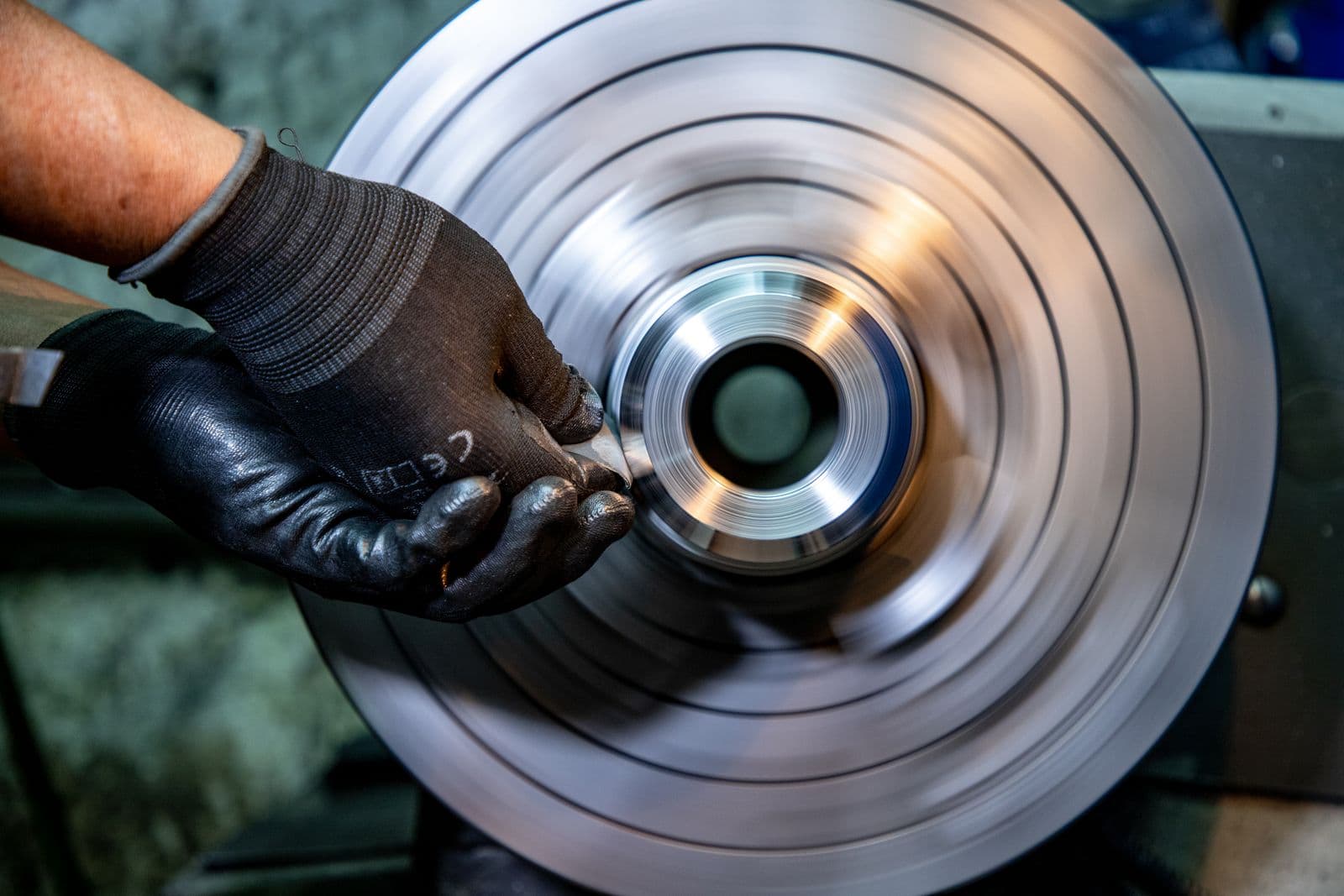
Rollers have to run in the same direction every time or the grain reverses and shows up under raking light. Mark the direction on the core with a paint pen the first time it is fitted. Send the designation off the failed part and we will confirm the Tyrolit equivalent and stock position.