
Saw Sharpening
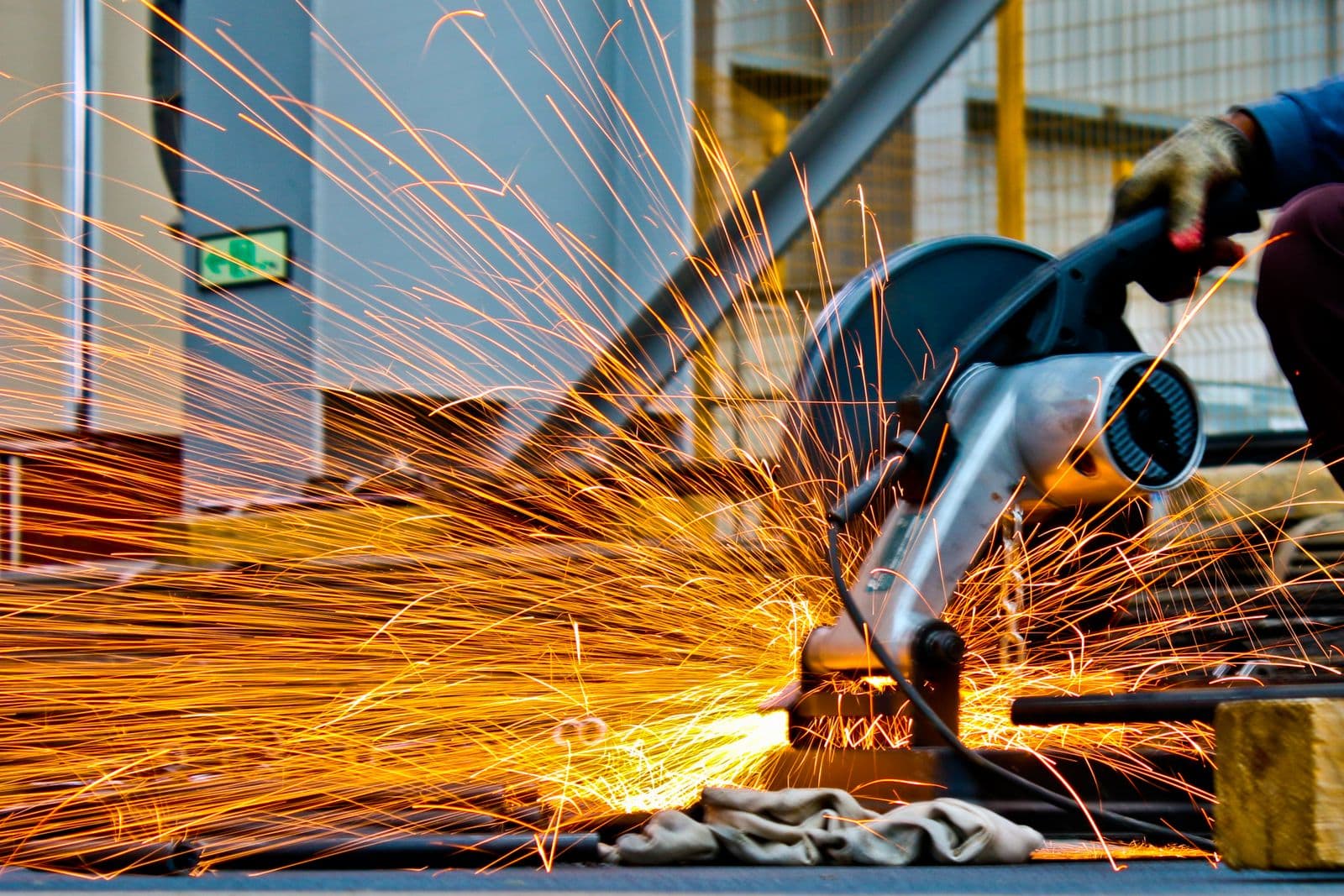
Wheels for sharpening circular saws, bandsaws and carbide-tipped blades. Grinding the tooth face, top and gullet restores geometry, and geometry is what decides cut quality and blade life. SES holds the range as an authorised Tyrolit distributor, covering wheel diameters Typically 100 mm to 200 mm on sharpening machines; abrasives Diamond, CBN, aluminium oxide; bonds Resin, vitrified, metal, electroplated; forms Dish types 12V9 and 11V9, cup wheels, plain straight 1A1. Executions include resin-bond diamond dish wheels, diamond cup wheels for tooth top grinding, CBN wheels for HSS blades, bandsaw sharpening wheels, among others. It is specified most often into saw doctor shops serving sawmills and plywood units and metal cutting bandsaw blades in the fabrication shop. Every part is genuine Tyrolit through official channels, with designation, specification and options confirmed against your duty before it ships — supplied from Kolkata and our branch network, with breakdown cover that does not sit in an inbox.
Send an enquiry
Check Price & Availability.
Give us the size or the failed part — we reply on WhatsApp.
Trusted across Metals & Energy
Supplying India’s Industrial Names.
From integrated steel plants to power utilities and EPC majors — the works that cannot afford a counterfeit part specify through SES.




















Blades
HSS, carbide tipped, band, stellite
Wheel types
Diamond, CBN, conventional abrasive
Forms
Dish, cup, plain straight
Grinds
Face, top, side, gullet
Where it runs.
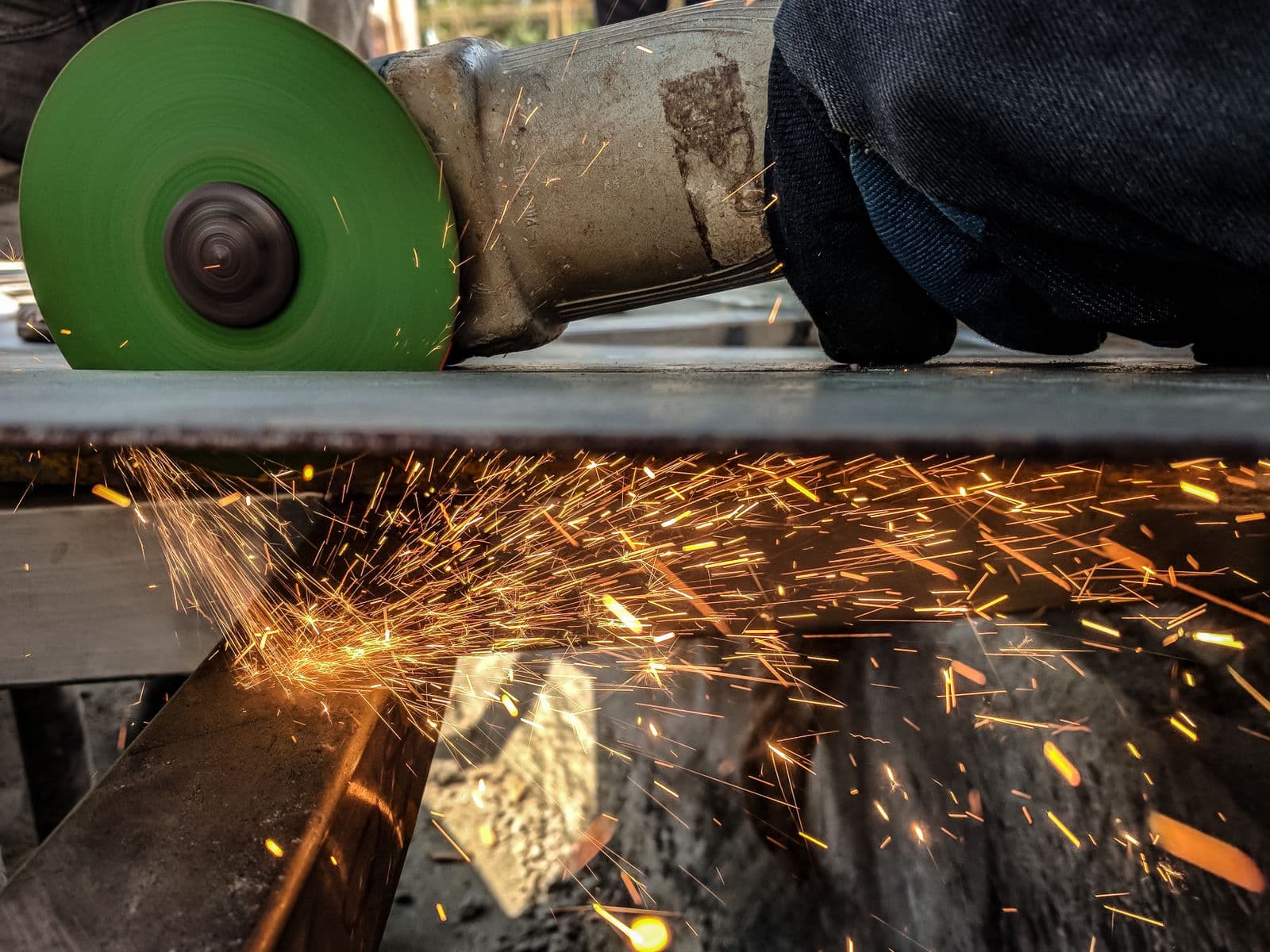
You will find Saw Sharpening in the parts of a plant where this particular duty actually occurs. In practice that means saw doctor shops serving sawmills and plywood units, metal cutting bandsaw blades in the fabrication shop, carbide-tipped circular saws on panel and sizing lines, and equally cold saw blades in bar and tube cutting, sugar and paper mill knife and saw servicing, in-house blade sharpening in a plant maintenance workshop. What links them is the duty rather than the machine name — blades: HSS, carbide tipped, band, stellite. If your installation is not on that list it matters less than you would think: the operating condition decides the specification. Send us the load, the speed, the running temperature and the environment it runs in, and we will match it to the right execution in the Tyrolit range and confirm what is in stock.
Specify it against the duty.
Specification here follows the operating condition, not the catalogue. Carbide-tipped teeth — Resin-bond diamond. CBN will not touch tungsten carbide — it polishes the tip while the wheel itself wears away. HSS blades and steel blade bodies — CBN or conventional abrasive. Diamond reacts with steel at grinding temperature and the wheel loses its edge quickly. Face and top ground in the same setting — A dish wheel for the face and a cup for the top, matched in grit so the two ground surfaces meet cleanly at the cutting edge. Where two of those apply at once, specify for the harsher of the two — under-specifying is what puts the part back on the bench a month later. Send us the duty and we will confirm the execution.
Ordering this from SES.
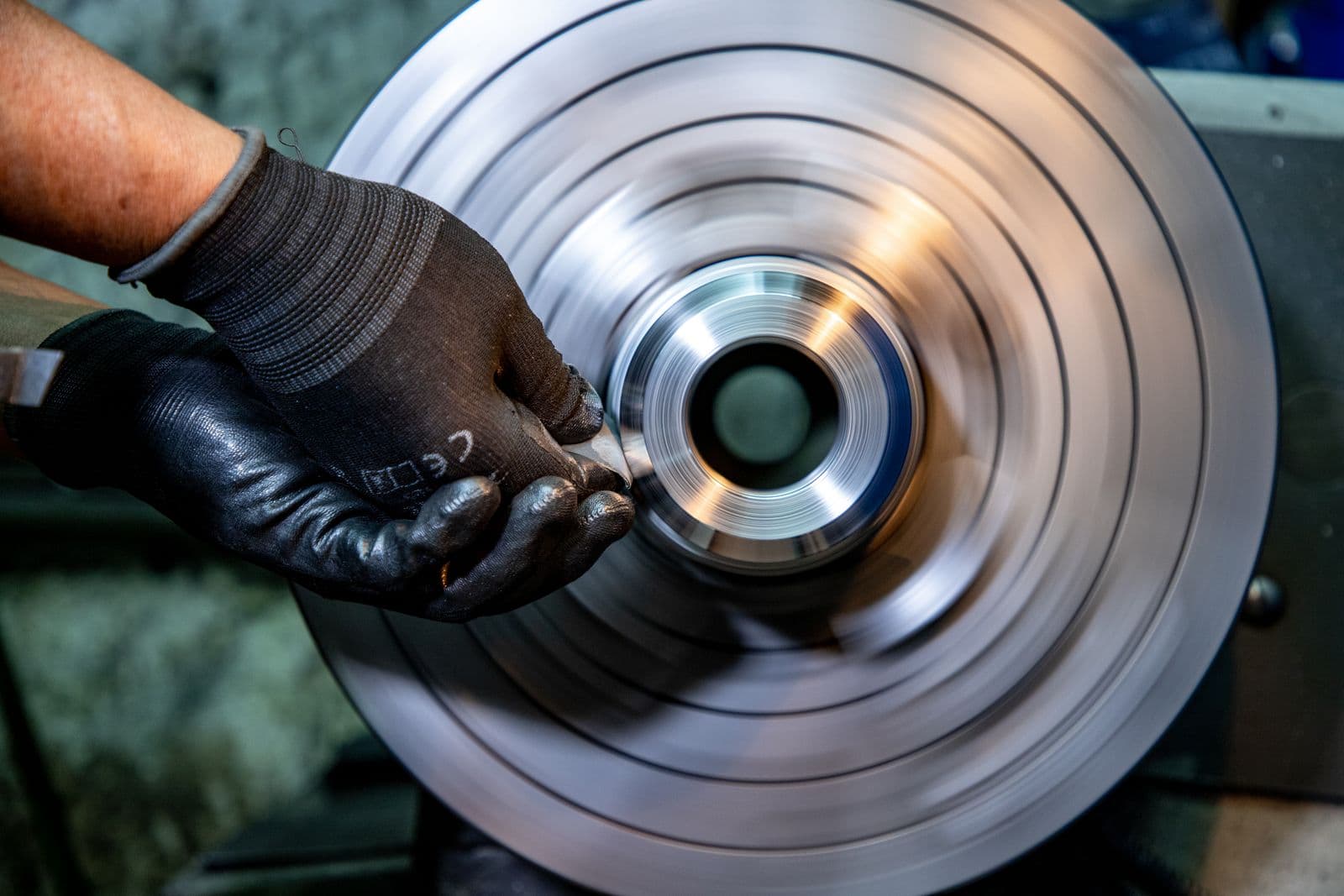
A blade sharpened dry loses its tips even when the geometry checks out perfectly. Heat cracks the braze behind the carbide and the tip departs on the second or third cut, usually at a machine somebody is standing in front of.