
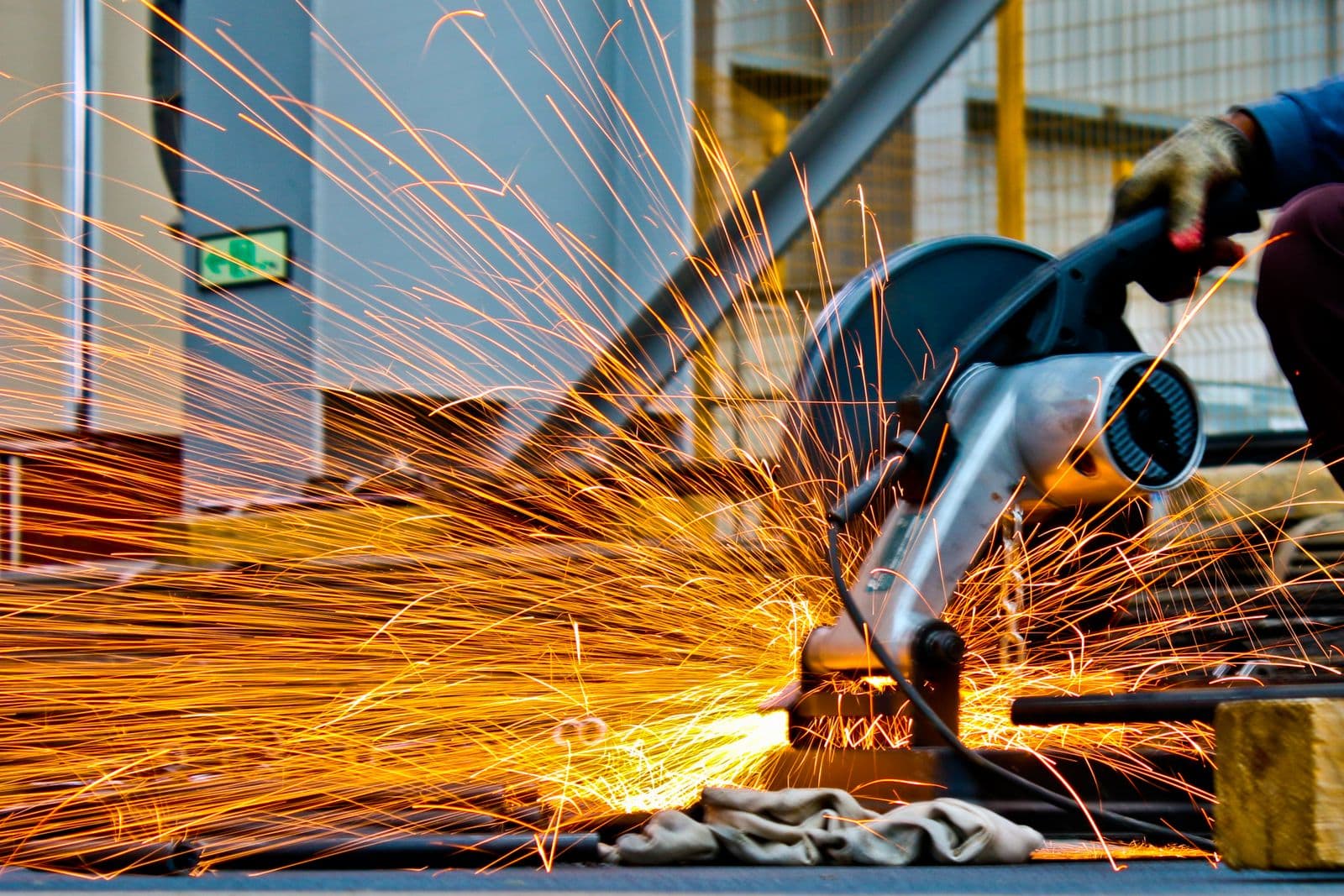
SCM Belts
Surface conditioning belts built on an open non-woven web, for file sanders, tube sanders and bench machines. The web clears debris instead of loading with it, which is what makes them the standard belt for satin finishing stainless and aluminium. SES holds the range as an authorised Tyrolit distributor, covering web Nylon non-woven with resin-bonded grain; grades Coarse, medium, fine, very fine; grains Aluminium oxide and silicon carbide; joint Butt joint with direction arrow on the back. Executions include coarse SCM belts, medium SCM belts, fine and very fine SCM belts, file sander belts, among others. It is specified most often into satin-finishing stainless sheet before fabrication and linishing weld seams on architectural steelwork. Every part is genuine Tyrolit through official channels, with designation, specification and options confirmed against your duty before it ships — supplied from Kolkata and our branch network, with breakdown cover that does not sit in an inbox.
Send an enquiry
Check Price & Availability.
Give us the size or the failed part — we reply on WhatsApp.
Trusted across Metals & Energy
Supplying India’s Industrial Names.
From integrated steel plants to power utilities and EPC majors — the works that cannot afford a counterfeit part specify through SES.


















Construction
Non-woven nylon web
Loading
Very low
Finish
Even satin grain
Machines
File, tube and bench sanders
Where it runs.
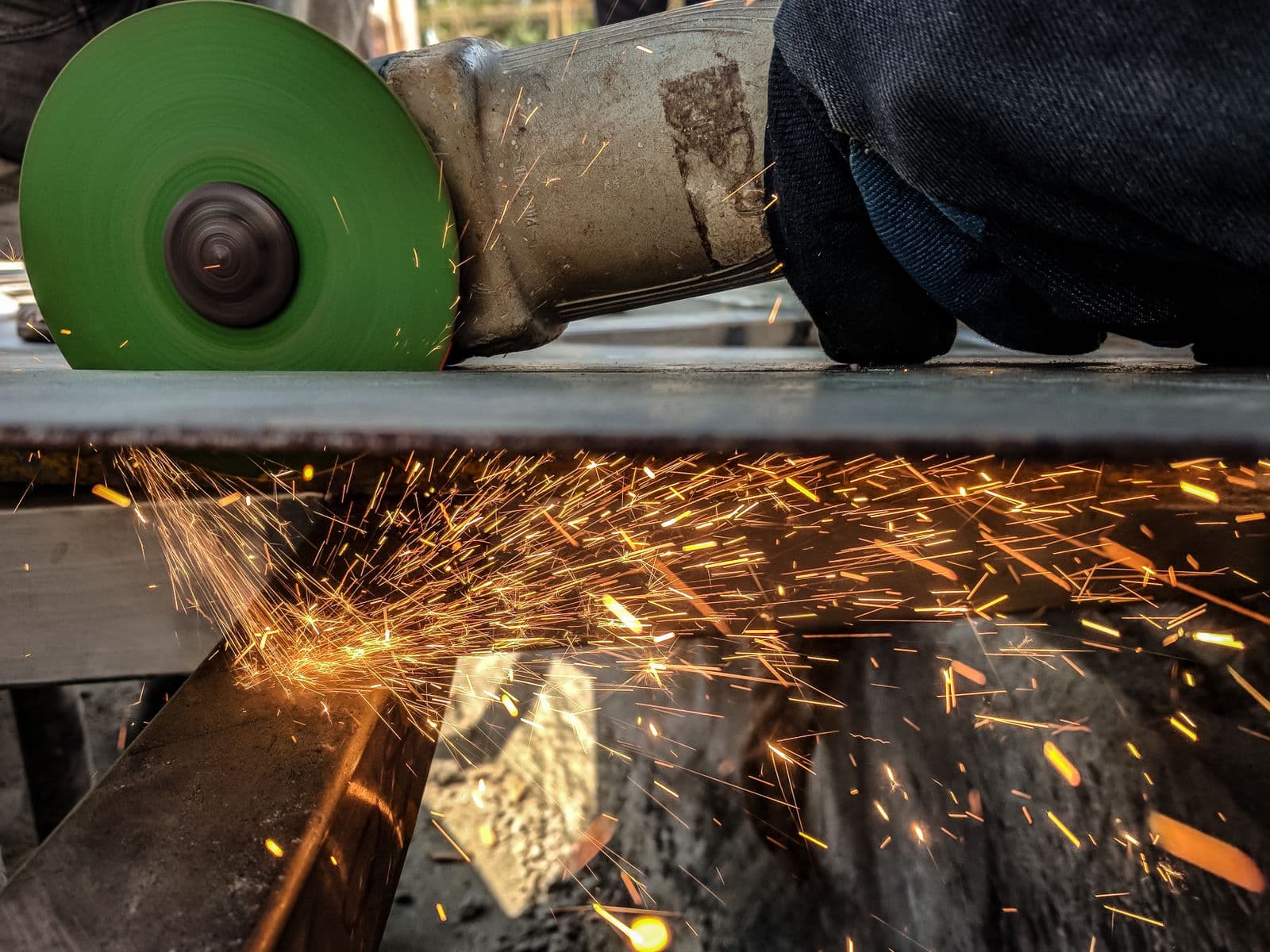
You will find SCM Belts in the parts of a plant where this particular duty actually occurs. In practice that means satin-finishing stainless sheet before fabrication, linishing weld seams on architectural steelwork, cleaning aluminium extrusion ahead of anodising, and equally finishing tube on a linisher in a handrail shop, removing tarnish from brass and bronze fittings, deburring laser-cut edges on thin gauge sheet. What links them is the duty rather than the machine name — construction: Non-woven nylon web. If your installation is not on that list it matters less than you would think: the operating condition decides the specification. Send us the load, the speed, the running temperature and the environment it runs in, and we will match it to the right execution in the Tyrolit range and confirm what is in stock.
Specify it against the duty.
Specification here follows the operating condition, not the catalogue. Bare stainless that will be left uncoated — A fine or very fine SCM belt after the coated abrasive stage. Coated belts alone leave a directional scratch far too deep to pass as a satin finish. Aluminium that has clogged every belt tried so far — Coarse SCM with a grease-stick lubricant. Aluminium cold-welds to closed-coat abrasive within a handful of parts. Long uninterrupted joint lengths — The longest belt the machine will accept. Short belts run hotter and the joint fails first - it shows as a repeating mark before it breaks. Where two of those apply at once, specify for the harsher of the two — under-specifying is what puts the part back on the bench a month later. Send us the duty and we will confirm the execution.
Ordering this from SES.
Run these in the arrow direction printed on the back. Fitted the wrong way the butt joint peels within minutes, and the flying belt end strips the fresh finish off the panel on its way out. Send the designation off the failed part and we will confirm the Tyrolit equivalent and stock position.