
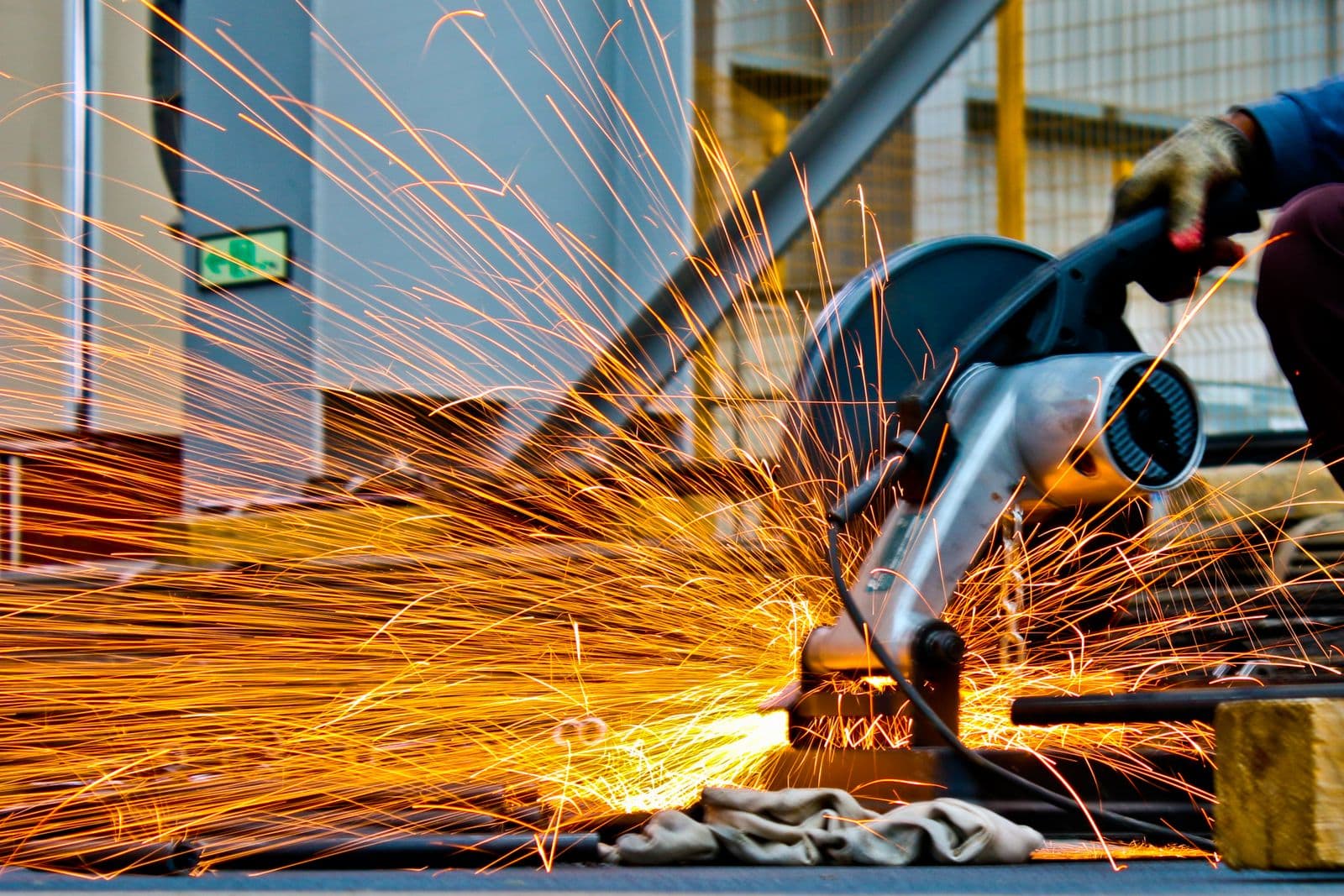
Table Saws
Bench-mounted saws where the work is fed past a fixed wet blade on a sliding table. They deliver the square, repeatable dimension that hand cutting of block, kerb and tile never quite achieves. SES holds the range as an authorised Tyrolit distributor, covering blade sizes Small tile blades up to large masonry blades; cut length Set by table travel; cut depth Set by blade diameter and head height; water Recirculating pump and tank, or mains feed. Executions include masonry table saws, tile cutting table saws, petrol-driven site table saws, tilting-head table saws, among others. It is specified most often into cutting refractory brick to size for furnace and ladle relining and sizing blocks and pavers on civil works. Every part is genuine Tyrolit through official channels, with designation, specification and options confirmed against your duty before it ships — supplied from Kolkata and our branch network, with breakdown cover that does not sit in an inbox.
Send an enquiry
Check Price & Availability.
Give us the size or the failed part — we reply on WhatsApp.
Trusted across Metals & Energy
Supplying India’s Industrial Names.
From integrated steel plants to power utilities and EPC majors — the works that cannot afford a counterfeit part specify through SES.





















Cut
Square, repeatable, dimensioned
Feed
Sliding table, blade fixed
Cooling
Recirculating water bath
Work
Block, paver, kerb, tile, refractory
Where it runs.
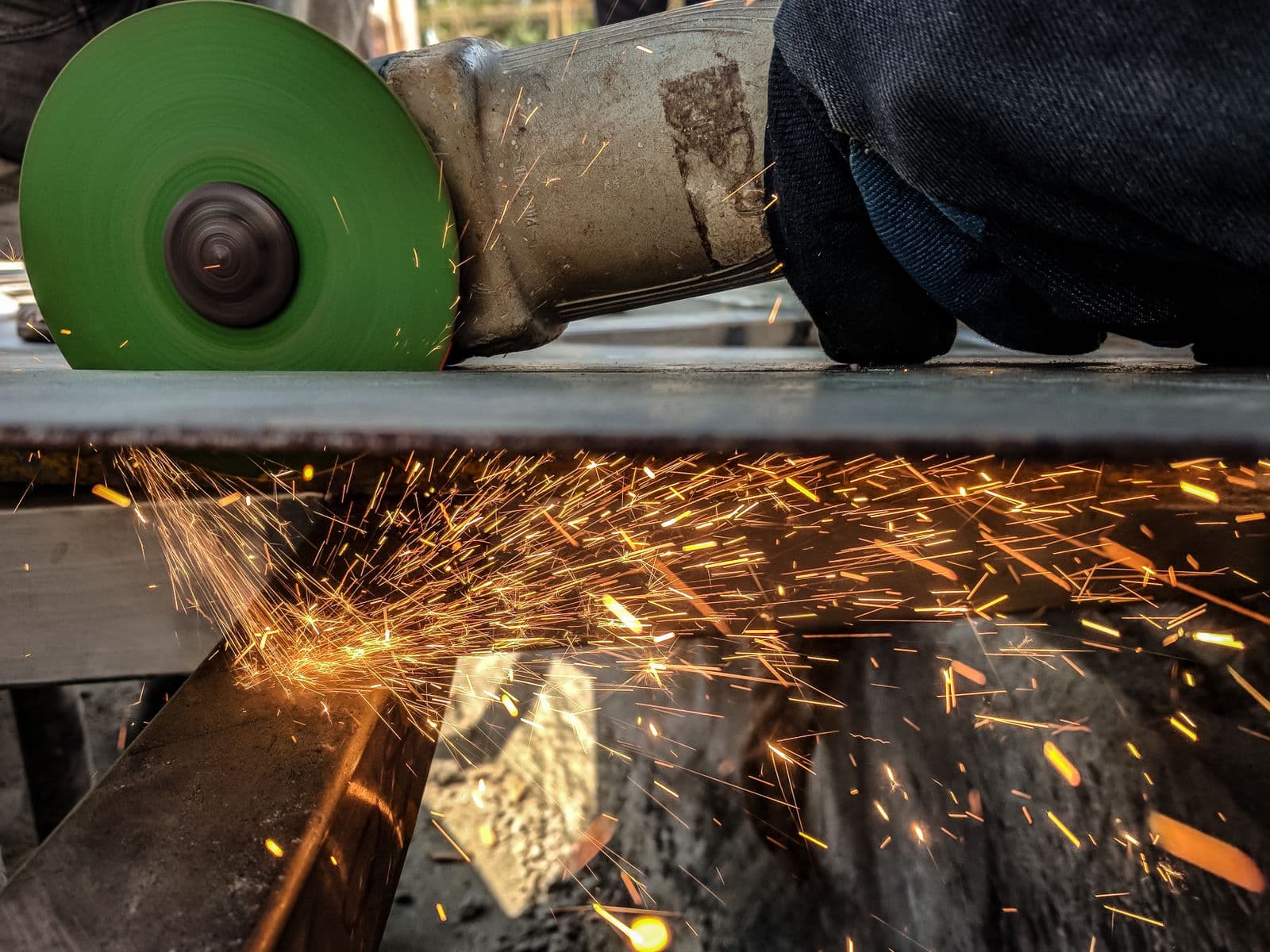
You will find Table Saws in the parts of a plant where this particular duty actually occurs. In practice that means cutting refractory brick to size for furnace and ladle relining, sizing blocks and pavers on civil works, trimming kerbstone and channel sections, and equally cutting tile and stone for finishing works, preparing test specimens from cast samples, batch cutting masonry to a set dimension in the site yard. What links them is the duty rather than the machine name — cut: Square, repeatable, dimensioned. If your installation is not on that list it matters less than you would think: the operating condition decides the specification. Send us the load, the speed, the running temperature and the environment it runs in, and we will match it to the right execution in the Tyrolit range and confirm what is in stock.
Specify it against the duty.
Specification here follows the operating condition, not the catalogue. Batch cutting to one fixed length — A saw with a positive length stop on the table. Marking each piece by hand loses the tolerance long before the operator loses patience. Refractory and other highly abrasive materials — A blade with a hard, wear-resistant matrix and generous water. Refractory grit strips a soft-bond blade very quickly. Mitre and bevel cuts in tile or stone — A tilting head or tilting table with a locking scale. Packing the work at an angle on a flat table is how hands end up in the blade line. Where two of those apply at once, specify for the harsher of the two — under-specifying is what puts the part back on the bench a month later. Send us the duty and we will confirm the execution.
Ordering this from SES.
Change the tank water far more often than seems necessary. Slurry-laden water carries abrasive back onto the blade core and wears the steel behind the segments until they start dropping off. Send the designation off the failed part and we will confirm the Tyrolit equivalent and stock position.