

Transitional Grinding
The bridge between metal-bond cutting and resin polishing. This stage clears the scratch pattern left by coarse grinding so the polishing grits have a surface they can actually work with. SES holds the range as an authorised Tyrolit distributor, covering grits Medium range, between cut and polish; bonds Hybrid and transitional resin; passes At least one per grit, cross direction; checkpoint Low-angle light inspection between grits. Executions include hybrid transitional segments, transitional resin pads, medium-grit metal segments, combination bond tooling. It is specified most often into mid-stage work on polished concrete installations and refining screeds before a high-build coating. Every part is genuine Tyrolit through official channels, with designation, specification and options confirmed against your duty before it ships — supplied from Kolkata and our branch network, with breakdown cover that does not sit in an inbox.
Send an enquiry
Check Price & Availability.
Give us the size or the failed part — we reply on WhatsApp.
Trusted across Metals & Energy
Supplying India’s Industrial Names.
From integrated steel plants to power utilities and EPC majors — the works that cannot afford a counterfeit part specify through SES.





















Stage
Between metal bond and resin
Aim
Clear the coarse scratch pattern
Tooling
Hybrid segments and transitional pads
If skipped
It shows in the final gloss
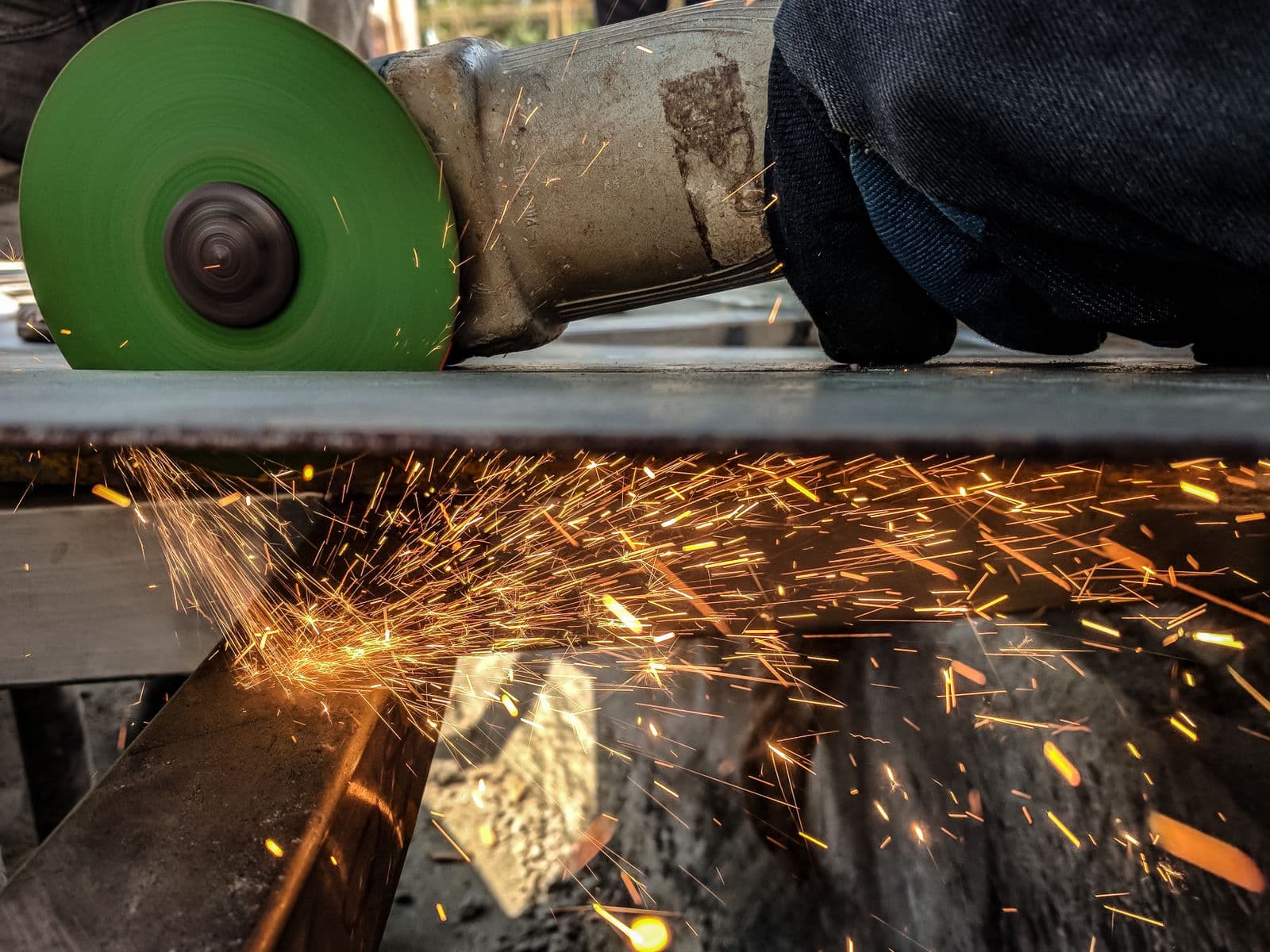
Where it runs.
You will find Transitional Grinding in the parts of a plant where this particular duty actually occurs. In practice that means mid-stage work on polished concrete installations, refining screeds before a high-build coating, terrazzo restoration between cut and polish, and equally preparing floors for densifier application, evening out patched and repaired areas, removing tracking left behind by PCD stripping. What links them is the duty rather than the machine name — stage: Between metal bond and resin. If your installation is not on that list it matters less than you would think: the operating condition decides the specification. Send us the load, the speed, the running temperature and the environment it runs in, and we will match it to the right execution in the Tyrolit range and confirm what is in stock.
Specify it against the duty.
Specification here follows the operating condition, not the catalogue. Coarse pass has left deep and uneven scratching — A hybrid step before any resin work. Hybrids cut like metal but leave a resin-ready surface, which no pure resin pad can achieve from that starting point. Densifier due to be applied shortly — Finish the transitional work first. Densifying over a coarse pattern locks the scratches in, and removing them then means going back to metal bond. Programme under time pressure on a large area — Take the stage in one grit rather than two and accept slightly lower gloss. Skipping it altogether does not save time, it moves the work into the slower polishing stage. Where two of those apply at once, specify for the harsher of the two — under-specifying is what puts the part back on the bench a month later. Send us the duty and we will confirm the execution.
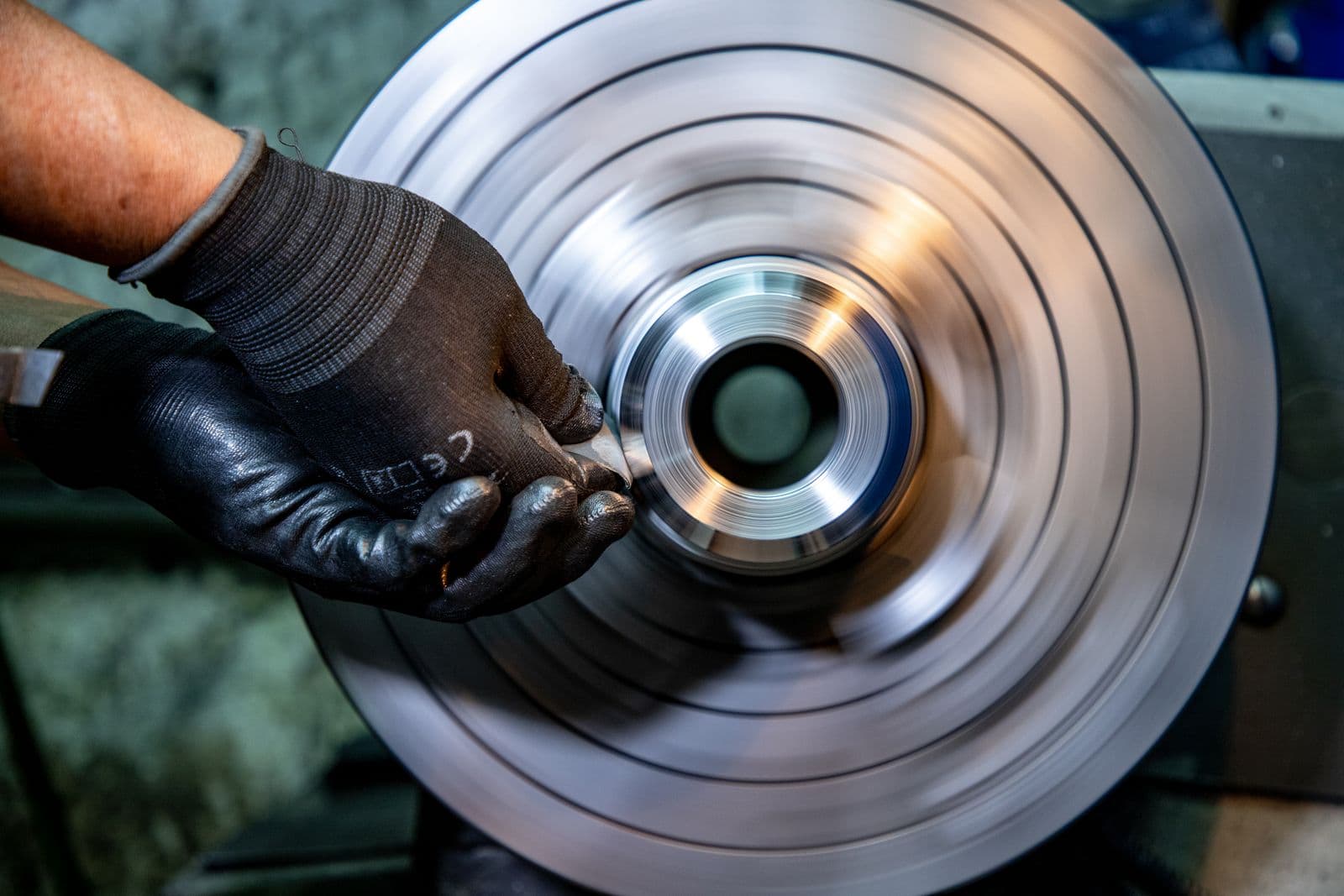
Ordering this from SES.
This is the stage where the job is won or lost, and it never appears as a line on the invoice. Photograph the floor under a raking light at this point - it is the only evidence you will have if the gloss is questioned later.