
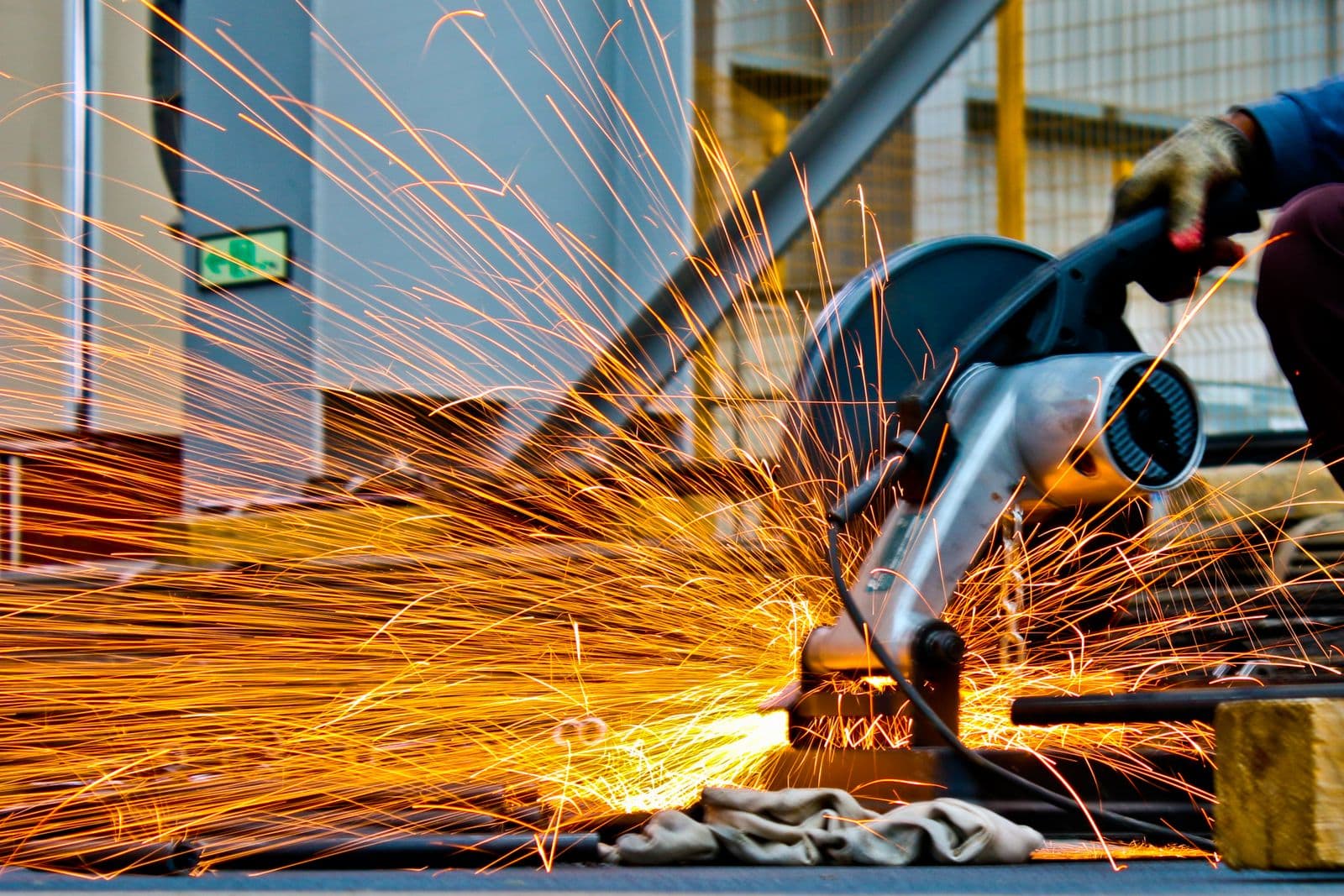
Wall Saws
Track-mounted saws where the blade rides on a rail bolted to the structure and is fed by remote control. Because the machine is guided rather than held, the cut comes out straight, square and to a known depth. SES holds the range as an authorised Tyrolit distributor, covering blade diameters Mid-size blades up to large deep-cut blades; cut depth Roughly blade radius less flange and guard allowance; drives Hydraulic power pack or high-frequency electric; track Bolted or vacuum-fixed rail, straight and curved sections. Executions include hydraulic wall saws, high-frequency electric wall saws, wall saw blades, track and rail sections, among others. It is specified most often into door and window openings in RCC walls and lift and stair openings through structural slabs. Every part is genuine Tyrolit through official channels, with designation, specification and options confirmed against your duty before it ships — supplied from Kolkata and our branch network, with breakdown cover that does not sit in an inbox.
Send an enquiry
Check Price & Availability.
Give us the size or the failed part — we reply on WhatsApp.
Trusted across Metals & Energy
Supplying India’s Industrial Names.
From integrated steel plants to power utilities and EPC majors — the works that cannot afford a counterfeit part specify through SES.

















Guidance
Track bolted to the structure
Drive
Hydraulic or high-frequency electric
Control
Remote, operator clear of the blade
Cut
Square openings, controlled depth
Where it runs.
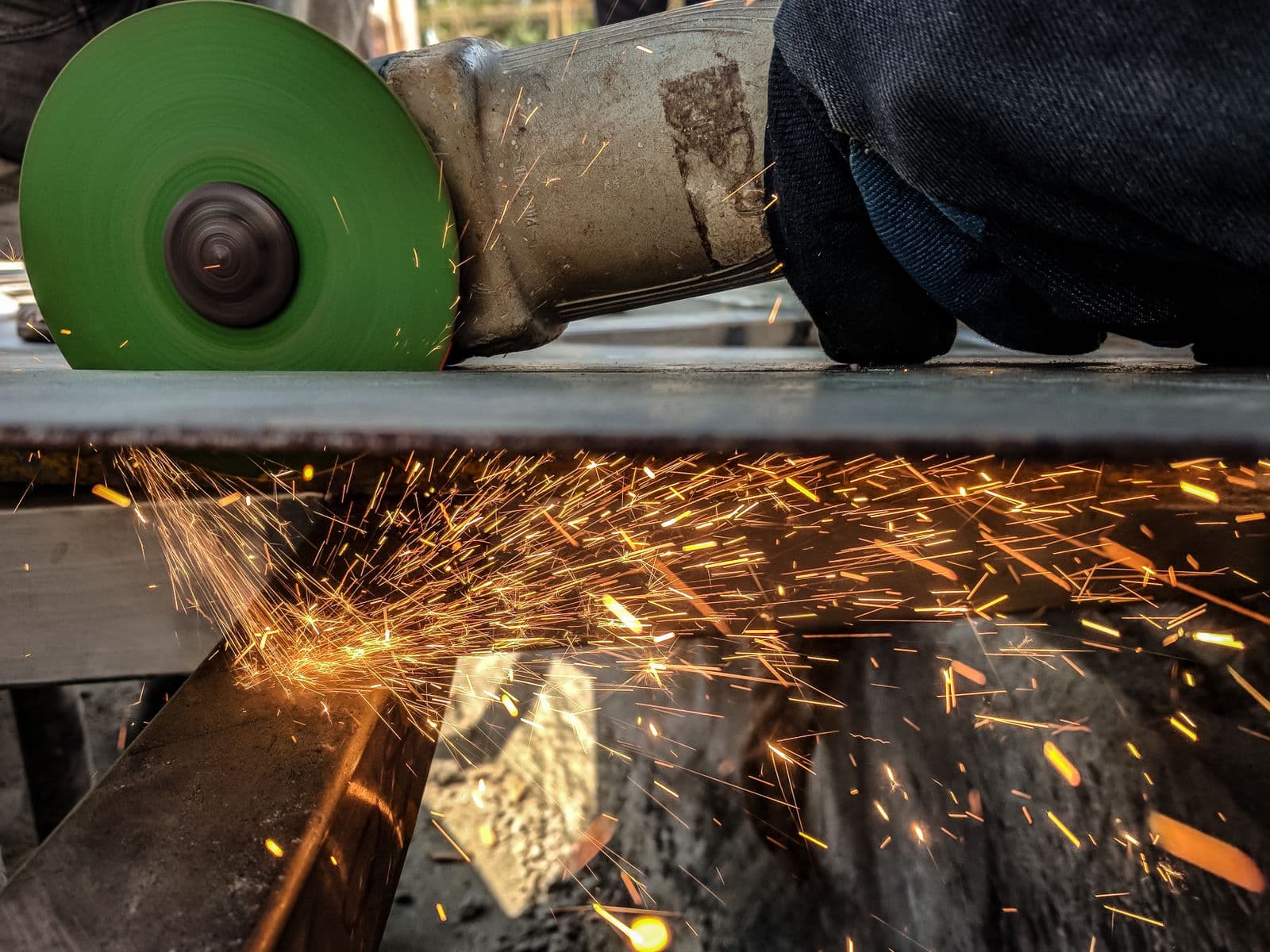
You will find Wall Saws in the parts of a plant where this particular duty actually occurs. In practice that means door and window openings in RCC walls, lift and stair openings through structural slabs, removing sections of shear wall during refurbishment, and equally openings for duct and pipe runs in plant buildings, sectioning silo and bunker walls during modification, openings in basement and retaining structures. What links them is the duty rather than the machine name — guidance: Track bolted to the structure. If your installation is not on that list it matters less than you would think: the operating condition decides the specification. Send us the load, the speed, the running temperature and the environment it runs in, and we will match it to the right execution in the Tyrolit range and confirm what is in stock.
Specify it against the duty.
Specification here follows the operating condition, not the catalogue. The opening must be square with no overcut at the corners — A saw with flush-cut or plunge capability and a corner strategy agreed beforehand. Overcuts into a shear wall are a structural change, not a finishing defect. Wall thicker than the blade can reach from one face — Cut from both faces with the track set out from the same reference on each side, or move to wire sawing. Two independently set tracks never meet cleanly at mid-thickness. No stable three-phase supply at the working face — A hydraulic saw on a power pack sited where it can be fed. High-frequency electric saws want a steady supply and a converter close to the machine. Where two of those apply at once, specify for the harsher of the two — under-specifying is what puts the part back on the bench a month later. Send us the duty and we will confirm the execution.
Ordering this from SES.
Set the track from a level line rather than from the floor. Industrial floors fall towards drains, and an opening squared to the slab shows as a leaning frame the moment fit-out starts. Send the designation off the failed part and we will confirm the Tyrolit equivalent and stock position.